
This post contains affiliate links, meaning I may earn a commission if you click through and make a purchase. As an Amazon associate, I earn from qualifying purchases. This comes at no additional cost to you. I only recommend products or services that I believe will provide value to my readers based on personal experience or thorough research.
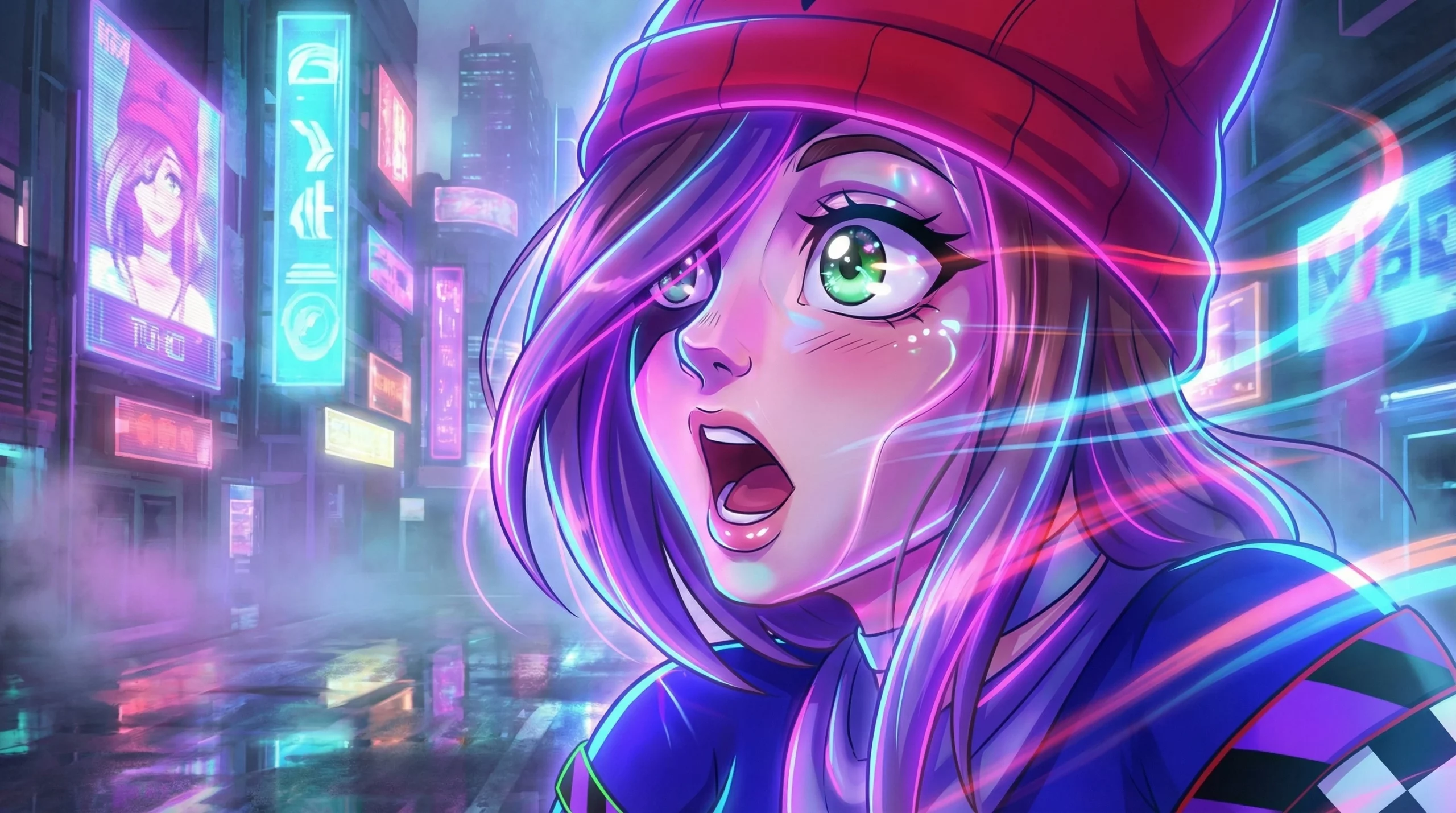
Facial expressions in animation are the emotional engine that connects audiences to characters. When expressions feel bold, subtle, or purposefully exaggerated, they instantly communicate mood, intention, and personality—making stories more immersive and characters more memorable.
The Psychology of Expressive Faces
Humans instinctively recognize emotional cues. Skilled animators use this psychology—layering timing, anticipation, exaggeration, and micro-movements—to make characters feel alive.
Cultural interpretations add complexity. A smile or wink may carry different meanings across the world, reminding animators to craft expressions with intention and awareness.
Mastering Facial Anatomy
With around 43 muscles shaping human expression, understanding anatomy is essential. Eyes, brows, lips, and cheeks shift in recognizable patterns that convey emotion.
Observation strengthens this skill—studying small twitches, slow-building smiles, or rapid changes helps animators capture nuance.
Exaggeration remains a core tool, pushing expressions beyond realism for clarity and impact.
Sketching Expressive Characters
Sketching begins with simple shapes and silhouettes. Once structure is set, contrast and shading refine emotion—shadows intensify moods, highlights soften tone.
Avoiding stiffness, misalignment, or lifeless eyes keeps characters dynamic and believable.
Studying iconic expressions from animated classics reveals how small shifts tell powerful emotional stories.
Advanced Tools & Technology
Modern animation tools enhance expressive performance. Adobe Animate, Toon Boom Harmony, and AI-assisted platforms streamline the process. Real-time facial capture translates human expressions into digital characters with stunning accuracy.
Blending traditional drawing with digital tools unlocks deeper creativity and elevates expressive storytelling.
FAQs
Q: Why are facial expressions important in animation?
A: They create emotional clarity, allowing audiences to understand a character instantly.
Q: How do animators learn realistic expressions?
A: Through anatomy study, observation, sketching practice, and referencing real-life emotional cues.
Q: What tools help with expressive animation?
A: Toon Boom Harmony, Adobe Animate, AI enhancements, and facial capture systems.
Q: How does exaggeration improve expressions?
A: It pushes emotion beyond realism, making reactions clearer and more readable.

Leave a Reply