Category: Fan Art

  • Collaborating Through Fan Art: Community Projects And Partnerships

    Collaborating Through Fan Art: Community Projects And Partnerships

    Most people think fan art is something you do alone.

    You pick a character you love, open your sketchbook (or tablet), and just… start drawing.

    And yeah, that’s part of it.

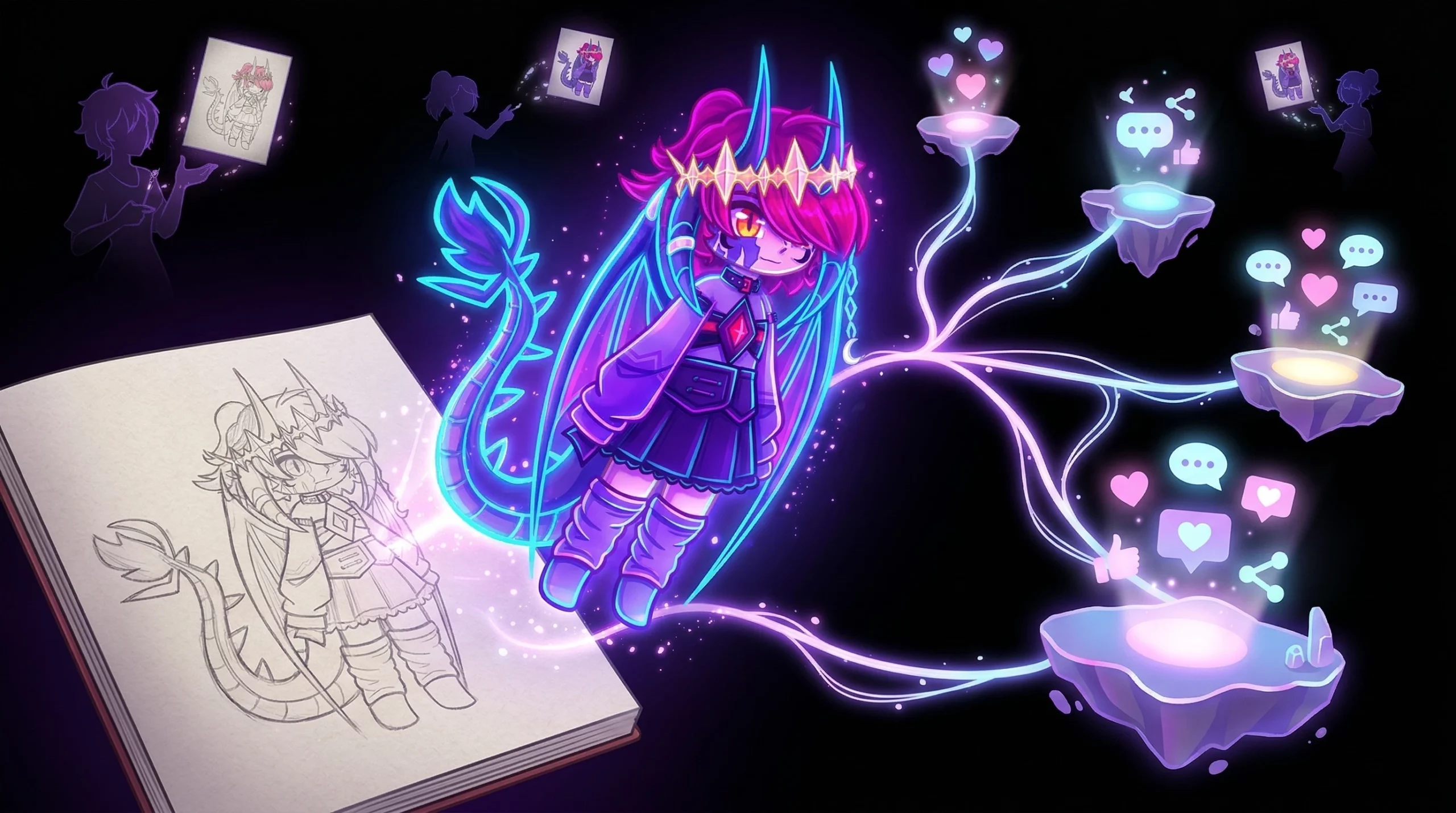
    But what a lot of people don’t realize is that fan art doesn’t really stay solo for long. It spreads. It connects people. It turns into shared projects, inside jokes, and entire communities built around creating together.

    That’s where things get interesting.

    Because the moment fan art becomes collaborative, it stops being just “something you made” and turns into something bigger, something multiple people shape, build, and bring to life together.

    I’ve watched artists come together to create full zines, run themed challenges, and build projects that no single person could’ve pulled off alone. And once you see it happen, it completely changes how you look at fan art.

    So if you’ve ever wanted to be part of something like that, but didn’t know where to start, this is for you.

    Let’s break it down.

    Why Fan Art Collaboration Matters

    Fan art can absolutely be a solo thing, but collaboration is where it really takes off.

    It’s not just about posting your work and getting likes. It’s about creating with people instead of next to them.

    You start seeing how other artists think. How they interpret the same character differently. How they solve problems you didn’t even notice.

    And without realizing it, you get better.

    A lot of fan communities organize collaborations around big moments, new releases, anniversaries, charity events, or just for fun. Sometimes those projects even get picked up by larger audiences or noticed by original creators.

    But honestly? The biggest impact isn’t the exposure.

    It’s the people.

    You swap feedback. Share resources. Joke around in chats. And somewhere along the way, strangers turn into friends.

    For newer artists especially, this is huge. It’s often the moment where you stop feeling like you’re “trying to get into art” and start feeling like you actually belong there.

    Getting Started (Without Overthinking It)

    Here’s the part most people overcomplicate:

    Getting into fan art collaborations is way easier than it looks.

    You don’t need a huge following. You don’t need to be “amazing.” You just need to find the right kind of project.

    Fan Art Zines — fan-made magazines (digital or print) where artists contribute pieces around a shared theme.

    Prompt Challenges — daily or weekly prompts that everyone interprets in their own way.

    Art Trades / Exchanges — artists create custom pieces for each other, either randomly paired or by choice.

    If I’m looking for something to join, I usually check Discord servers, Tumblr tags, or scroll through posts on Twitter/X and Instagram. Most projects are pretty easy to spot, they’ll have signup posts, deadlines, and clear instructions.

    How to Actually Join a Project

    If you’ve never joined one before, here’s the simple version of how it usually goes:

    First, find something you actually want to work on. If you’re not excited about it, you’re way more likely to drop out halfway through.

    Then read everything. Deadlines, rules, file requirements, it’s all there for a reason.

    After that, sign up. Sometimes it’s just a comment. Other times it’s a form or a quick portfolio check.

    Once you’re in, keep track of deadlines. This is what trips people up the most.

    Join the group chat if there is one. That’s where everything happens, updates, feedback, and conversations.

    Finally, submit your piece and enjoy the result. Seeing everything come together is the best part.

    That’s it. No secret steps.

    What People Don’t Expect (But Should)

    Communication matters more than skill. You don’t need to be the best artist, but you do need to show up and respond.

    Time adds up fast. Even short projects can sneak up on you.

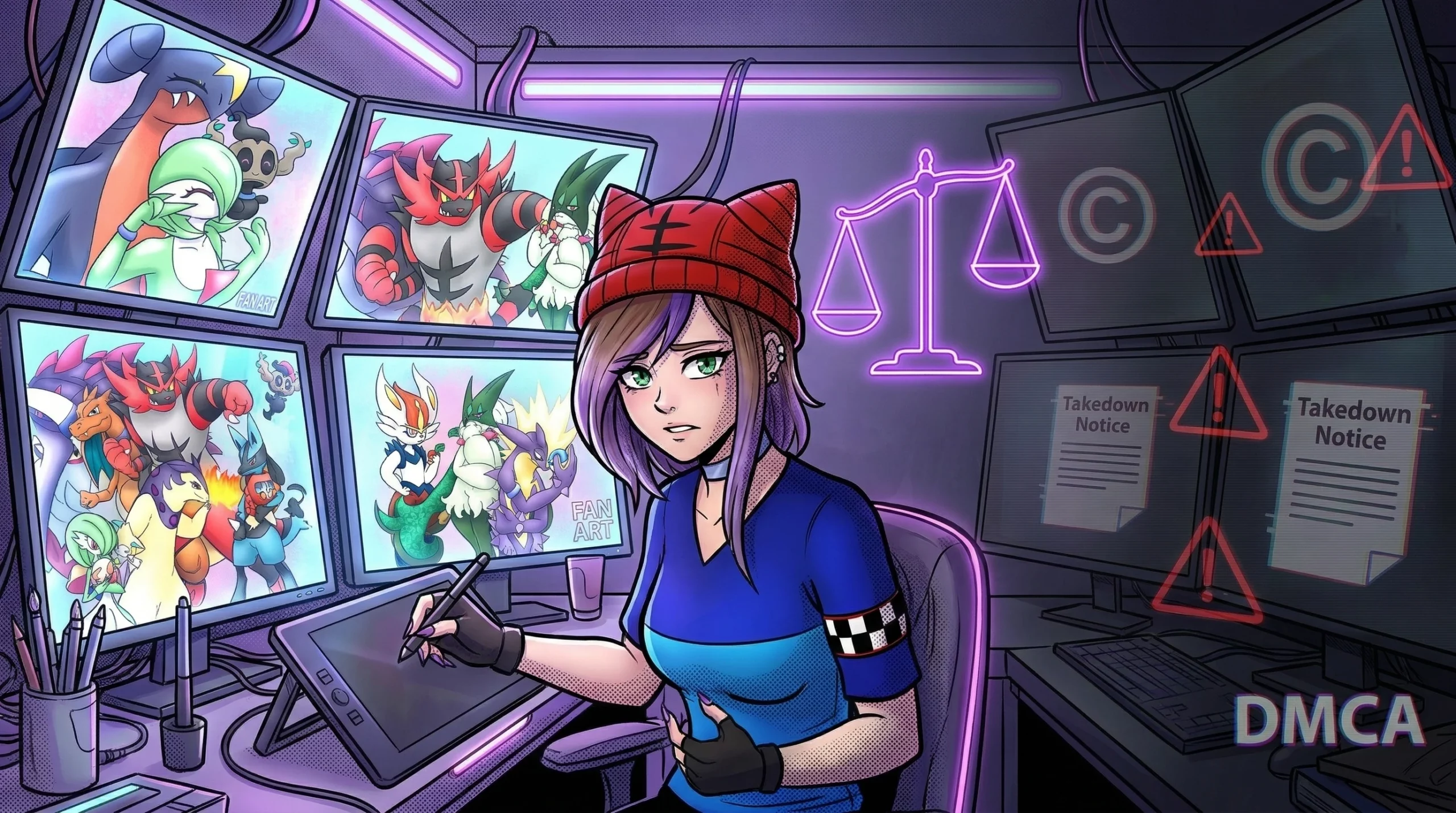
    Credits and permissions matter. Especially for public or charity work.

    Copyright still applies. Respect the original creators.

    The Parts That Can Trip You Up

    Most projects run through Discord or similar spaces. They work, but only if you stay active.

    If you’re confused, ask early. Waiting usually makes things worse.

    Deadlines are the other big one. Life happens, but disappearing without saying anything causes problems.

    If you think you’ll be late, just say so. Most organizers are more flexible than you’d expect.

    Thinking About Starting Your Own Project?

    It sounds intimidating, but it’s one of the most rewarding things you can do.

    You don’t need something massive. Start small.

    Pick a clear theme.

    Make signups easy.

    Give more time than you think you need.

    Share templates or examples.

    Keep people excited with updates.

    If possible, co-host with someone. It makes everything easier.

    What These Projects Can Actually Look Like

    Charity Zines — groups create artwork sold to support a cause.

    Online Art Events — virtual galleries and community activities.

    Character Collabs — artists draw the same character in different styles and combine the results.

    These projects help artists grow, connect, and reach new audiences.

    Quick FAQ

    Do I need to be really good to join?
    Not at all. A lot of projects are beginner-friendly.
    What if I can’t finish?
    Tell the organizer as soon as you can. That’s it.
    How do I know if something’s legit?
    Look for clear info, active organizers, and past work. If something feels off, ask before joining.

    So… Is It Worth It?

    Yeah. It is.

    Fan art already lets you connect with the things you love, but collaboration adds something you don’t get on your own.

    You improve faster. You meet people. You become part of something bigger than your own work.

    And honestly?

    That’s the part that sticks.

    Because fan art might start as something personal, but the people you create with are what make it unforgettable.

  • The Evolution Of Fan Art: A Journey Through Decades

    The Evolution Of Fan Art: A Journey Through Decades

    If you look at fan art today, it’s easy to think it’s always been like this.

    Endless posts. Instant feedback. Massive collaborations happening across the world.

    But it didn’t start that way.

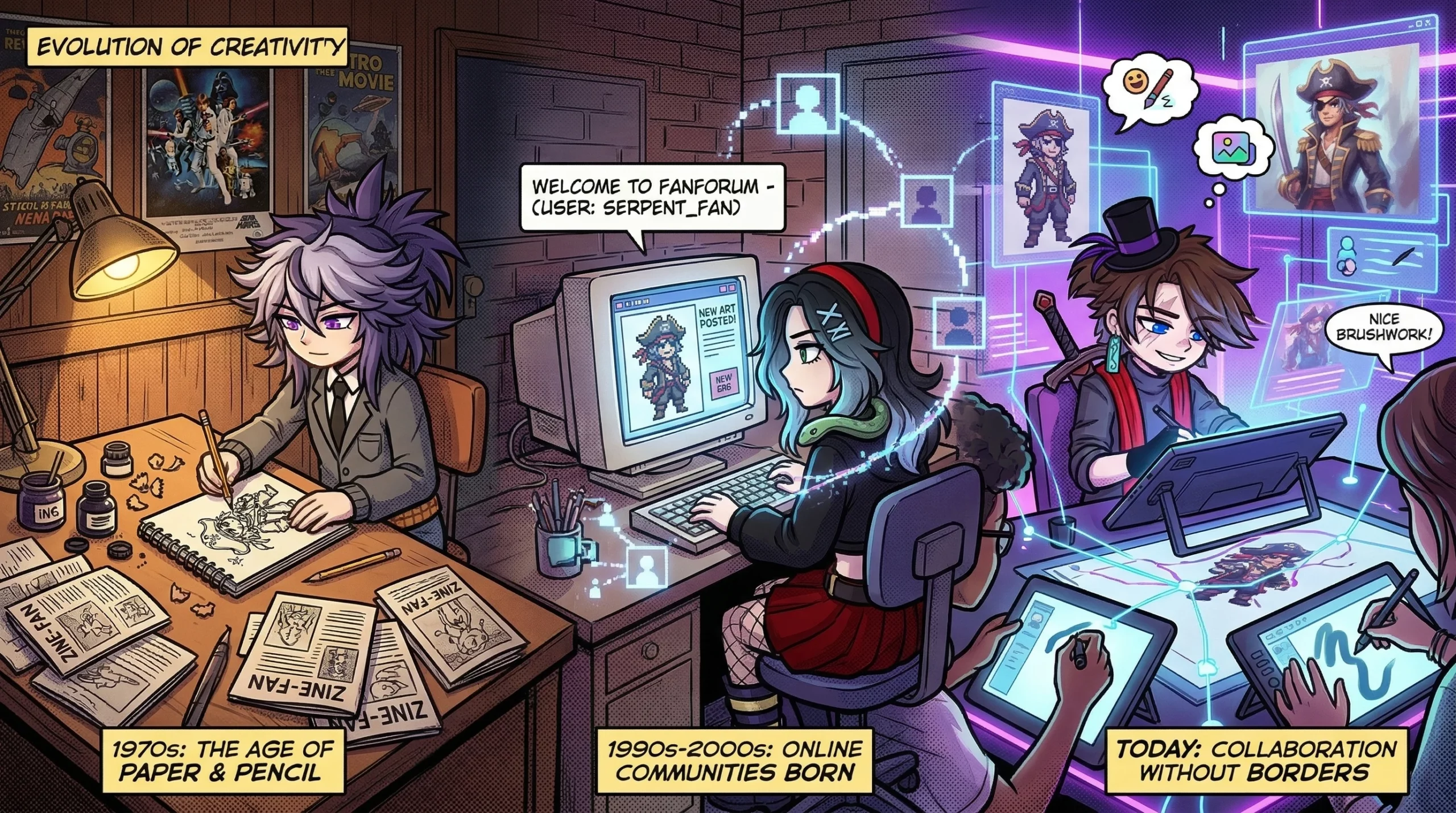
    Fan art has been around for decades, and for most of that time, it was way quieter, more personal, and a lot harder to share.

    So before jumping into how it works now, it’s worth looking at how it got here.

    The Early Days (Before Everything Was Online)

    Back in the 1960s and 70s, fan art didn’t live on feeds or profiles, it lived in zines and convention spaces.

    Fans of things like Star Trek would draw characters by hand and share them physically.

    There were no algorithms. No likes. No instant reach.

    Fan art wasn’t about visibility, it was about connection.

    When the Internet Changed Everything

    Once the internet showed up, everything shifted.

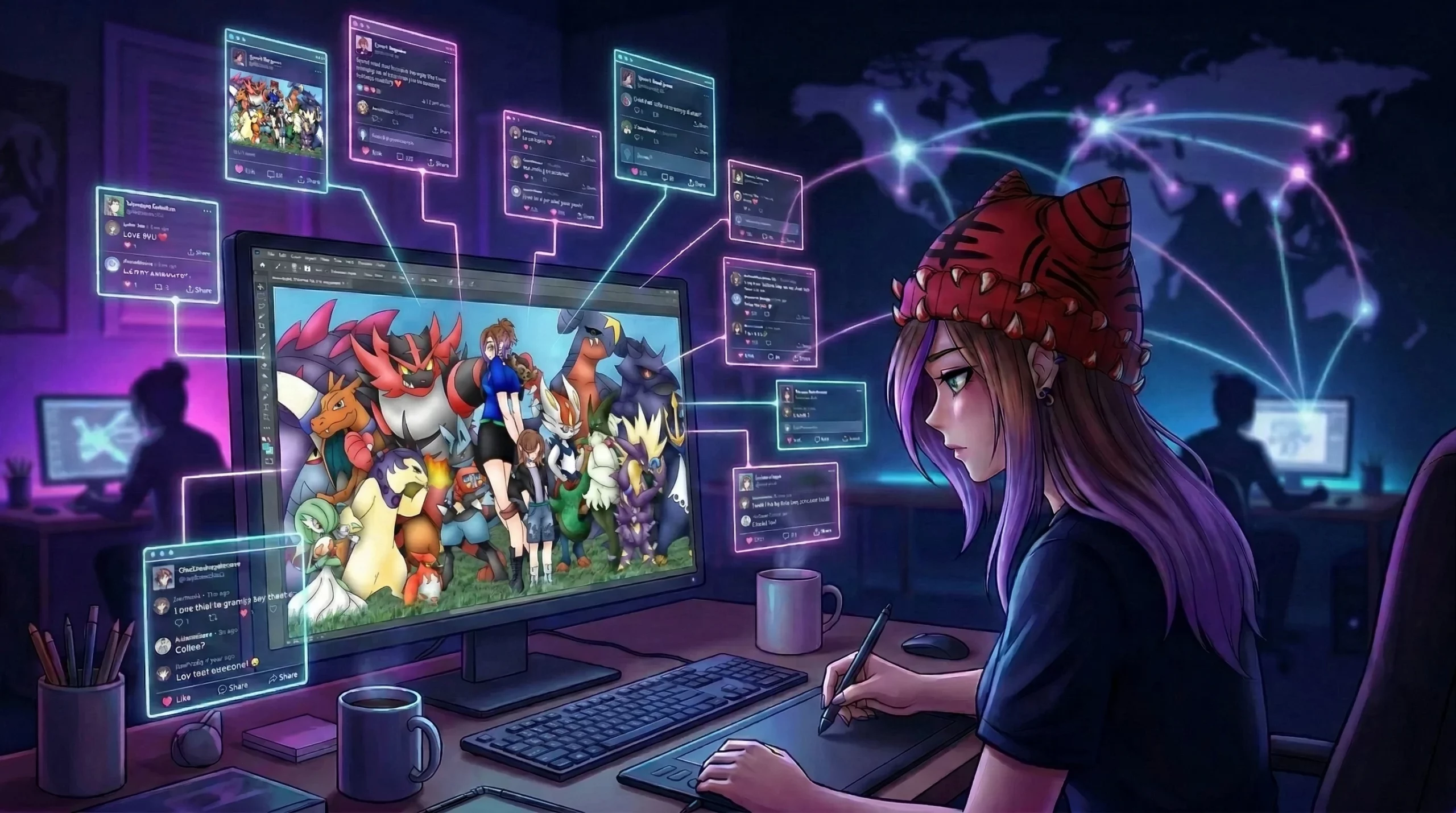
    Artists could upload work and reach people globally.

    Communities formed quickly, and platforms like DeviantArt expanded access.

    The Rise of Digital Tools and Social Platforms

    Digital tools made art more accessible.

    Social platforms accelerated trends, sharing, and collaboration.

    Fan art became interactive and community-driven.

    More Than Just Art

    Fan art evolved into self-expression and storytelling.

    Communities formed around shared creativity and identity.

    The Complicated Side: Copyright and Ownership

    Fan art exists in a gray legal area.

    Respecting creators and crediting sources helps maintain balance.

    The Real Challenges Behind the Scenes

    Artists face art theft, burnout, and inconsistent feedback.

    Focusing on enjoyment helps maintain long-term creativity.

    Where Fan Art Is Headed Next

    New tools like AI and 3D art are shaping the future.

    Fan art continues evolving as a global creative space.

    So What Does All This Mean?

    Fan art grew from small exchanges into global communities.

    And it’s still growing.

    Frequently Asked Questions About Fan Art

    What is fan art?
    Fan art is artwork created by fans based on existing characters, stories, or worlds.
    When did fan art start?
    Fan art dates back to the 1960s through zines and conventions.
    How did the internet change fan art?
    It made sharing and collaboration global and instant.
    Why is fan art so popular today?
    It connects creativity with community.
    Is fan art legal?
    It exists in a gray area, especially when selling.
    What are fan art zines?
    Collaborative fan-made art collections.
    Can fan art lead to a career?
    Yes, many artists grow audiences and opportunities through it.
    What are the biggest challenges fan artists face?
    Art theft, burnout, and copyright confusion.
    How can beginners start making fan art?
    Start with what you love and share it.
    Why do fan art communities matter?
    They help artists connect and grow together.
  • Bringing Your Favorite Characters To Life: Techniques And Tips

    Bringing Your Favorite Characters To Life: Techniques And Tips

    Bringing a character to life sounds simple at first.

    You pick someone you like, open your sketchbook (or whatever you’re working with), and start copying what you see.

    And yeah, that works… for a little while.

    But if you’ve ever looked at your finished piece and thought “something feels off”, even when it technically looks right, you already know there’s more going on.

    Because fan art isn’t just about getting the design right. It’s about getting the feeling right. And that’s the part most people miss. Once you understand that, everything changes, especially if you’ve seen how fan art collaborations work. So if you want your work to actually hit, not just look correct, this is where it starts.

    Why “Getting It Right” Isn’t Enough

    A lot of people approach fan art like this:

    Find reference → copy details → finish piece

    And technically, that works.

    But people don’t experience your process.

    They experience the result.

    And if the personality doesn’t come through, the piece feels flat.

    What actually makes a character feel real isn’t accuracy.

    It’s behavior, expression, and energy.

    What You’re Actually Recreating

    You’re not just recreating a design.

    You’re recreating how the character moves, reacts, and exists.

    So instead of asking:

    “Does this look right?”

    Ask:

    “Does this feel like them?”

    The Basics Still Matter

    Fundamentals matter, but only because they support believability.

    Anatomy helps movement feel natural.

    Color helps mood feel intentional.

    Structure keeps everything grounded.

    But these are tools, not the goal.

    How to Capture Personality

    Expressions: Push beyond neutral. Small changes matter.

    Poses: Avoid stiff standing. Think about what the character is doing.

    Signature Details: Focus on what makes them recognizable.

    Voice: If you can hear how they talk, everything else becomes easier.

    A Simple Process That Works

    1. Gather references

    2. Identify core traits

    3. Block basic shapes

    4. Add personality

    5. Check the feel

    6. Finish and share

    This is where community starts to matter.

    What Trips People Up

    Over-accuracy: Can kill personality.

    Stiff poses: Usually from overthinking.

    Burnout: You don’t need to keep up with everything.

    Feedback fear: Sharing gets easier, and it helps.

    Why This Matters in Fan Art Communities

    Your work doesn’t exist alone.

    It sits next to other interpretations.

    And the pieces that stand out?

    They’re the ones that feel right.

    Taking It Further

    Mix styles. Experiment with lighting. Try new tools.

    But most importantly, work with other people.

    Collaboration pushes your work further than solo practice ever will.

    What Actually Makes It Work

    Not perfect anatomy.

    Not perfect detail.

    Not even perfect accuracy.

    It’s when someone instantly recognizes the character, without explanation.

    Frequently Asked Questions

    Do I need to be really good at drawing?
    No. Understanding the character matters more than technical skill.
    Why does my art feel off?
    Because accuracy isn’t the same as personality.
    How do I make characters recognizable?
    Focus on key traits like expression, posture, and signature details.
    Should I copy references exactly?
    No. Use them as a guide, not a rule.
    How does this help in collaborations?
    Strong interpretation makes your work stand out in group projects.
    What’s the fastest way to improve?
    Create consistently, share your work, and learn from others.
  • Fan Art Challenges And Contests: Participating And Performing

    Fan Art Challenges And Contests: Participating And Performing

    Fan art challenges sound fun on the surface.

    And they are.

    But they’re also one of the fastest ways to realize that creating around other people hits very different when there’s pressure involved.

    Deadlines. Themes. Other artists working on the same idea at the same time.

    Suddenly it’s not just “draw what you want.”

    It’s:
    “Can I actually pull this off?”

    If you’ve never joined one before, it can feel like a lot.

    So let’s break down what these things really are, and what they’re actually like once you’re in one.

    What Fan Art Challenges Actually Are

    At the simplest level, they’re just shared prompts.

    A theme gets announced, and a bunch of artists interpret it in their own way.

    That’s it.

    But once you’re inside one, it feels different.

    • You’re working alongside other people
    • You’re seeing their ideas in real time
    • You’re all heading toward the same deadline

    And your brain immediately goes:
    “Wait… theirs looks better.”

    That’s the part nobody really talks about.

    Why People Join Them

    • It forces them to actually finish something
    • It pushes them to try new ideas
    • It connects them to other artists in real time

    Most challenges don’t even have real prizes.

    People stay because of the shared experience, not the outcome.

    The Part That Feels Harder Than Expected

    • You stop liking your idea halfway through
    • You start running out of time
    • Other artists finish before you
    • You compare your work more than usual

    And yeah, that can kill your motivation fast.

    Because now it’s not just about making something.

    It’s about making something that feels “good enough.”

    Deadlines Change Everything

    This is where challenges hit differently.

    You don’t get unlimited time.

    You don’t get to tweak forever.

    At some point, you have to stop and say:
    “This is done.”

    That’s uncomfortable, but it’s also what helps you improve faster.

    Joining Without Overthinking It

    • Pick something you actually care about
    • Check the rules and deadline
    • Start before you feel ready

    You don’t need a perfect idea.

    You just need to finish something.

    What Actually Helps

    • Start earlier than you think you need to
    • Keep your idea simple
    • Stop checking other people’s work constantly
    • Adjust instead of restarting everything

    Finishing matters more than perfection.

    The Stuff Nobody Warns You About

    Creative block: It hits harder with themes.

    Time pressure: Deadlines sneak up fast.

    Low engagement: Not every piece gets attention.

    Comparison: It’s constant if you let it be.

    None of this means you’re doing anything wrong.

    It’s just part of being in a shared space.

    When It Starts Clicking

    After a few challenges, things shift.

    • You finish faster
    • You overthink less
    • You stop comparing as much

    And you start recognizing people.

    That’s when it turns into something bigger than just a prompt.

    Challenges → interaction → community

    If You Want to Grow

    • Try new styles or ideas
    • Join longer or harder challenges
    • Collaborate with other artists

    Growth comes from experimenting, not getting everything right.

    So… Are They Worth It?

    Yeah.

    Not because they’re easy.

    • They force you to finish
    • They push you under pressure
    • They make you create alongside others

    And that changes how you approach your work.

    FAQs

    What are fan art challenges?
    They’re community prompts where artists create work around a shared theme within a set timeframe.
    Do I need to be good to join?
    No. Most challenges are open to all skill levels.
    Where do I find fan art challenges?
    On platforms like Instagram, Twitter/X, Tumblr, and Discord communities.
    What if I don’t finish on time?
    Finish it anyway and post it later. Completion matters more.
    Are there prizes?
    Sometimes, but most are about creativity and community.
    How do I stand out?
    Focus on your own interpretation instead of competing.
    Are challenges stressful?
    They can be, but keeping expectations realistic helps.
    Can challenges help me improve?
    Yes. They build consistency, speed, and confidence.

    The Bottom Line

    Fan art challenges look simple from the outside.

    But once you’re in one, you realize they’re doing something else entirely.

    They teach you how to finish.

    How to handle pressure.

    How to create alongside other people.

    And if you stick with it?

    That’s when things start to shift.

    Not just your art, but how you make it.

  • How To Share Your Fan Art Online And Build A Following

    How To Share Your Fan Art Online And Build A Following

    Fan art doesn’t really exist until you share it.

    You can spend hours sketching, painting, refining something you love, but the moment it actually connects with people? That only happens when it leaves your folder and lands somewhere other fans can see it.

    And that part, the sharing part is where things get weirdly complicated.

    Not because it’s hard to upload an image.

    But because now you’re dealing with platforms, algorithms, feedback, visibility… all the stuff nobody really explains when you’re just starting out.

    So if you’ve ever posted something and thought,
    “Why did this get ignored?”
    or
    “Where am I even supposed to share this?”

    This is for you.

    Where Fan Art Actually Lives Online

    There isn’t one “right” place to post fan art.

    There are just different spaces that do different things well.

    • DeviantArt / ArtStation → portfolio-style platforms
    • Instagram / Twitter/X → fast, visibility-driven
    • Tumblr / Reddit → niche fandom communities

    Most artists use multiple platforms and treat one as a home base.

    Because sharing fan art isn’t just about posting, it’s about where people find you again.

    Getting Your Work Seen

    • Post consistently
    • Share process (not just finished art)
    • Engage with people

    Show early sketches, rough drafts, and changes.

    People connect with how you create, not just what you create.

    The Part Nobody Warns You About

    • Your work might get ignored
    • Your work might get reposted
    • You’ll compare yourself to others
    • Trends move fast

    Growth is slow. Visibility is inconsistent.

    That’s normal.

    Staying Consistent Without Burning Out

    • Post less, but better
    • Ignore trends you don’t care about
    • Focus on what you enjoy

    You don’t need to keep up with everything.
    You just need to keep going.

    Community Matters More Than Reach

    • Talk to people
    • Comment on art
    • Join challenges

    Sharing → interaction → community → collaboration

    Dealing With the Messy Stuff

    Art theft: Use watermarks and report when needed.

    Negative feedback: Focus on useful critique.

    Copyright: Sharing is usually fine, selling is complicated.

    If You Want to Grow

    • Collaborate
    • Try new formats (videos, breakdowns)
    • Use multiple platforms

    Experiment until something clicks.

    Presentation Still Matters

    • High-quality images
    • Good lighting
    • Clean captions
    • Relevant tags

    It doesn’t need to be perfect, just intentional.

    So… Is It Worth It?

    Yes, but not just for visibility.

    • You find your people
    • You improve faster
    • You become part of something bigger

    Fan art grows through connection.

    FAQs

    Where should I post fan art?
    Start where your fandom already exists. What matters most is being where your audience is active.
    How do I get more people to see my fan art?
    Post consistently, share your process, and interact with others. Visibility comes from activity.
    What is the best time to post fan art?
    Evenings and weekends often perform better, but consistency matters more than timing.
    How do fan artists grow their following?
    Through consistent posting, interaction, and a recognizable style.
    Should I post on multiple platforms?
    Yes. It increases reach and helps different audiences discover your work.
    How can I protect my fan art?
    Use watermarks and learn how to report stolen content.
    Is it okay to sell fan art?
    It depends on the original creator. Selling exists in a legal gray area.
    Why is my fan art not getting views?
    Low visibility is normal early on. Keep posting and engaging.
    Do hashtags help?
    Yes, when they’re specific and relevant to your fandom and art.
    How often should I post?
    As often as you can without burning out. Consistency matters most.
    What kind of fan art performs best?
    Trending fandoms and recognizable characters perform well, but consistency matters more.
    Can fan art lead to paid opportunities?
    Yes. Many artists gain commissions and jobs through sharing their work.

    The Bottom Line

    Making fan art is one thing.

    Sharing it is another.

    And learning how to exist in that space, that’s a skill.

    But once it clicks?

    That’s when everything starts connecting.

    Not just your art, but the people around it.

  • Interview With A Fan Art Pro: Tips For Aspiring Artists

    Interview With A Fan Art Pro: Tips For Aspiring Artists

    Most people think getting better at fan art is about tools, skill, or practice. And yeah, that matters. But after talking to someone who’s been doing this for years, it’s clear that’s not the whole story. Because what actually makes someone stick with fan art long enough to get good? It’s how they think about it. Not just how they draw but how they approach the entire process.

    How It Usually Starts

    Almost everyone starts the same way. You like something, a show, a game, a character, and you want to draw it. Nothing complicated.

    Just “this is cool, I want to make something like it.”

    That’s it. And honestly? That’s enough. You don’t need a plan. You don’t need a style yet. You just need something you care about enough to keep coming back to.

    What Actually Makes Fan Art Work

    It’s easy to think fan art is just copying.

    But the people who stand out aren’t copying, they’re interpreting.

    • They understand the character, not just the design
    • They add their own style, even in small ways
    • They focus on feeling, not just accuracy

    You can draw something perfectly and still have it feel flat. Or you can tweak it slightly, and suddenly it feels alive. That difference matters more than people expect.

    Getting Better (Without Overcomplicating It)

    Improvement isn’t some big, structured system.

    It’s usually just repetition, with small changes.

    • Draw often
    • Try different poses or expressions
    • Experiment with tools and styles

    You don’t need to master everything at once. You just need to keep adjusting things as you go.

    The Frustrating Part

    This is where most people get stuck.

    • Your work doesn’t match what you imagine
    • You hit creative blocks
    • You feel like you’re not improving fast enough

    That’s normal. Everyone hits that point. The difference is whether you stop there, or keep going anyway.

    How People Push Past It

    The artists who keep improving usually do a few simple things:

    • They take breaks instead of forcing bad work
    • They try different approaches instead of repeating the same mistake
    • They learn from others instead of comparing themselves constantly

    It’s less about grinding harder and more about adjusting smarter.

    When Skill Starts Turning Into Style

    At some point, things start to shift. You’re not just trying to draw something correctly anymore.

    You’re making choices.

    • How dramatic the lighting is
    • How exaggerated the pose feels
    • How much you stick to the original vs change it

    That’s where style actually starts forming. Not from forcing it, but from repeating decisions over time.

    Tools Help, But They’re Not the Point

    Yeah, tools matter. Better brushes, better tablets, better materials, they all help. But they’re not what makes your work good.

    They just make it easier to do what you already understand. You can do a lot with basic tools if your fundamentals are solid. And upgrading later feels way more natural than relying on tools early.

    Feedback (And Why It’s Weird)

    Feedback is useful but also confusing.

    • Some critique helps
    • Some of it doesn’t
    • Some of it just throws you off

    So the real skill isn’t just accepting feedback. It’s filtering it. Knowing what actually improves your work, and what doesn’t.

    What Actually Leads to Growth

    It’s not one thing.

    It’s a mix of everything working together:

    • Consistency
    • Experimentation
    • Paying attention to what works
    • Sticking with it long enough to see change

    There’s no shortcut. But there is momentum.

    FAQs

    How do I improve at fan art?
    Draw consistently, experiment with different approaches, and focus on understanding characters, not just copying them.
    Do I need expensive tools to start?
    No. Basic tools are enough. Skill matters more than equipment early on.
    How do I develop my own style?
    Style comes from repeated choices over time, not forcing something unique right away.
    What should I do when I feel stuck?
    Take a break, try a different approach, or switch what you’re working on temporarily.
    Is fan art a good way to become a professional artist?
    Yes. It helps build skills, consistency, and a portfolio that can lead to opportunities.

    The Bottom Line

    Fan art isn’t just about drawing something you like. It’s about sticking with it long enough to understand how you create.

    What works for you. What doesn’t. And how to keep going anyway. Because that’s where the real improvement happens.

  • The Legal Side Of Fan Art: What You Need To Know

    The Legal Side Of Fan Art: What You Need To Know

    Fan art lives in a weird space.

    Everyone makes it.
    Everyone shares it.

    But legally?

    It’s not as clear as people think.

    Most of the time, nothing happens.

    People draw what they like, post it, move on.

    But that doesn’t mean there aren’t rules sitting in the background.

    And if you’ve ever wondered,
    “Am I actually allowed to do this?”

    This is where things start to matter.

    Why Fan Art Is a Gray Area

    If you’re drawing characters or worlds that already exist, you’re using something that belongs to someone else.

    That automatically puts fan art into a gray area.

    Not illegal by default.
    Not fully protected either.

    Just… in between.

    And the confusing part?

    That gray area doesn’t work the same way everywhere.

    • Some companies encourage fan art
    • Some ignore it
    • Some shut it down completely

    There isn’t one universal rule.

    What Actually Gets People in Trouble

    • Selling work without permission
    • Copying too closely to official designs
    • Using logos or branding that looks official
    • Competing with official products

    If your work starts to replace what the original creator sells, that’s when problems show up.

    The “Fair Use” Thing

    Fair use can apply, but it’s not a safety net.

    • How much you changed the original
    • Why you made it
    • Whether it affects the original market

    And the catch?

    It’s decided case by case.

    You can’t just assume you’re covered.

    What Artists Actually Do

    • Don’t claim work as official
    • Credit original creators when it makes sense
    • Avoid copying exactly
    • Be careful when money is involved

    That’s not perfect protection, but it’s realistic.

    Selling Fan Art

    Sharing is one thing.

    Selling is where things change.

    • Some creators allow it
    • Some tolerate small amounts
    • Some shut it down completely

    If you plan to sell:

    • Check policies
    • Start small
    • Avoid mass production

    This is where the gray area gets stricter.

    Protecting Yourself

    • Keep your work clearly fan-made
    • Avoid heavy use of official branding
    • Stay aware of fandom rules
    • Pay attention if things change

    If it feels like you’re crossing a line, you probably are.

    The Reality Nobody Says

    Fan art exists because creators allow it to exist.

    Even if it’s not always official.

    It helps fandoms grow.
    It helps communities connect.

    But it’s still someone else’s work.

    And they have the final say if they step in.

    So… Should You Worry?

    Not really.

    But you should be aware.

    The goal isn’t to stop creating.

    It’s to understand the space you’re creating in.

    FAQs

    Is fan art legal?
    It exists in a gray area. Creating and sharing is usually fine, but it depends on how it’s used and the original creator’s stance.
    Can I sell fan art?
    Sometimes, but it depends on the creator or company. Selling is where most legal issues come up.
    What is fair use in fan art?
    It’s a legal concept that may apply if your work is transformative, but it’s not guaranteed protection.
    Can I get in trouble for posting fan art?
    It’s rare, but possible. Issues usually happen when work is copied too closely or sold without permission.
    How do I avoid legal problems?
    Keep your work original, avoid official branding, and be cautious when money is involved.

    The Bottom Line

    Fan art isn’t just about what you make.

    It’s about the space you’re making it in.

    It’s creative.
    It’s collaborative.
    But it’s also borrowed.

    And once you understand that?

    You can create more confidently without crossing a line.

  • How To Find Inspiration For Your Next Fan Art Project

    Fan art offers a unique space for creativity and self-expression. Whether you’re a seasoned artist or just starting out, uncovering fresh ideas for your next project can sometimes appear challenging. I have learned that checking out various sources of inspiration not only sparks creativity but also deepens an appreciation for the original works we admire. In this article, we review different ways to find inspiration for your fan art projects, from jumping into the history of your favorite series to experimenting with new techniques. Enjoy the adventure of creative finding! Fan Art Inspiration

    Core Sources of Inspiration for Fan Artists

    Every fan art project begins with a spark. Often, this spark emerges from rewatching beloved episodes, reading original comics, or listening closely to memorable soundtracks. Jumping into the original material can reveal new perspectives and hidden details that might have been overlooked. Reflecting on the emotions, moods, and storytelling elements forms a personal connection with the work, which in turn fuels your creativity. Many artists also gain ideas by engaging with online fan communities or participating in local meet-ups, where exchanging thoughts and viewing different interpretations can lead to a wealth of creative possibilities. Combining personal passion with community insights often yields a broad range of ideas that can evolve into truly original pieces of fan art.

    Getting Started With Your Fan Art Inspirations

    Starting your fan art project does not require a strict plan. It is more about getting involved with what excites you and remaining open to new thoughts. I usually begin by gathering everything that reminds me of the original material—be it sketches, memorable quotes, or even a playlist that captures the ambiance of a favorite story. Setting aside time for a brainstorming session is very helpful. I keep a digital journal where I quickly jot down ideas as they occur, ensuring even fleeting thoughts are captured. Additionally, having a dedicated creative space—whether a small home studio or a quiet corner with a sketch pad—makes it easier to nurture and develop your ideas. A neat environment filled with meaningful objects helps keep inspiration both steady and alive.

    Common Challenges in Finding Fan Art Inspiration

    Finding original ideas can be one of the tougher parts of creating fan art. Many artists experience moments when creative blocks seem overwhelming and the pressure to produce something unique feels really important yet daunting. One major obstacle is creative burnout after long periods of work. Often, sticking to the same sources for inspiration can lead to a predictable routine. Another common problem is overanalysis—focusing too intently on every detail of the original work, which might limit your creative freedom. It’s important to remember that fan art is a personal interpretation, and slight changes in style or color are not only acceptable but can be refreshing. External influences such as unsolicited critiques or high expectations can also dampen your creative drive. Recognizing these challenges helps you prepare simple strategies to keep your process thriving.

    Creative Burnout

    Working on fan art for extended periods can lead to mental fatigue. When you feel drained, taking a short walk, doodling casually, or simply stepping away from your canvas can restore your energy. Every creative phase has its ups and downs, so a brief pause can be just what you need to recharge your artistic mind.

    Overanalysis

    It can be tempting to try to perfectly recreate every detail from the original work, but overanalysis can stifle your own creative voice. Think of your artwork as a dialogue with the source material rather than a strict reproduction. Allowing slight variations in style or tone can give your piece a fresh appearance and help your unique perspective shine through.

    Stuck in a Routine

    Relying on the same creative methods repeatedly might feel safe, yet it can also restrict your growth. Experimenting with different techniques or trying out a new medium can revitalize your work. Stepping out of your comfort zone encourages innovation and adds variety to your creative process, which is essential for producing art that feels truly original.

    External Influences

    Feedback from peers, online communities, or even your personal expectations can sometimes put pressure on your style. It is important to balance external opinions with your inner creative voice. Trust your instincts and remember that the most compelling art often comes from staying true to what resonates with you, rather than conforming to outside standards.

    Creative Techniques and Advanced Tips

    Once you feel confident with your basic style, experimenting with advanced techniques can take your fan art to next-level cool heights. Embracing new approaches may seem intimidating at first, but they allow you to push creative boundaries while still honoring your source of inspiration. One effective method is to use a mood board. Compiling images, color schemes, and other art pieces that match your theme can help tie your ideas together and serve as a reference throughout your creative process. Another useful tip is to mix different artistic styles. Instead of strictly mimicking the original work, try combining elements of abstract art or collage with traditional drawing techniques. This blend not only respects the original but also injects your own personality into the piece. Experiment with various mediums as well. If you usually work with pencils or paints, consider trying digital tools to add texture and depth. Reimagining key moments from the original work can also lead to innovative interpretations. Ask yourself how a familiar scene might transform when seen through your eyes. Every experiment, whether it turns into a finished piece or just a rough sketch, adds to your growth as an artist.

    The Fundamentals: Methods for Beginners to Explore

    Sometimes the simplest approaches are the most effective. For beginners, grounding your fan art journey in a few basic methods can smooth out the creative process and encourage steady growth. One useful strategy is to engage deeply with the fandom. Attend local fan conventions or join online discussion groups where ideas are shared freely. Listening to others’ interpretations can provide fresh perspectives on works you already love. Another practical approach is to repeatedly revisit the source material. Whether you rewatch episodes, read the comics, or listen to soundtracks, these moments often reveal small details that spark new ideas. Keeping a journal for these insights is a smart habit. Lastly, participating in art challenges themed around fan art can be very motivating. These challenges encourage quick thinking, varied techniques, and continuous practice, all of which help you develop confidence and enhance your skills over time.

    Frequently Asked Questions

    Below are some common queries about finding inspiration for fan art projects, answered in straightforward terms.

    Question: How do I start brainstorming for a fan art project?
    Answer: Begin by immersing yourself in the source material. Write down striking images, memorable quotes, or scenes that really catch your attention. Then, gather these ideas in a mood board or digital folder so that you always have a well of inspiration to draw from.


    Question: What if I run out of inspiration?
    Answer: It is normal to experience creative lulls. When this happens, take a step back from your routine. Consider watching creator interviews, exploring different art forms, or simply taking a short break. Allowing your mind time to relax can help new ideas slowly emerge.


    Question: Can experimenting with different styles ruin my interpretation of the original work?
    Answer: Not at all. Mixing styles is a great way to pay tribute to the original while imprinting your personal touch. It’s all about balance. Small, thoughtful changes can make your artwork feel both respectful and refreshingly unique.


    Wrapping Up

    Wrapping up, discovering inspiration for your fan art project is an adventure filled with challenges and rewards. By jumping into your favorite source materials, engaging with other fans, and not shying away from trying new techniques, you allow your creativity to flourish. Every obstacle—whether it’s a bout of creative burnout or the hesitation to try a new medium—is an opportunity to learn and grow. Take the time to immerse yourself in the art and stories that move you, and maintain an open mindset. Document your creative journey, trust your instincts, and remember that your artwork is a true reflection of your passion. Enjoy the ride as much as the destination!

  • Top 10 Tools Every Fan Artist Needs

    Fan art creation is a fun adventure where creativity meets technology. Whether you’re sketching your favorite characters or reimagining scenes from popular media, the right tools can make your work stand out. In this article, I’m going to share my top picks for the 10 tools every fan artist needs. This guide covers everything from the basics to advanced tips, so you can set up your creative studio with ease.

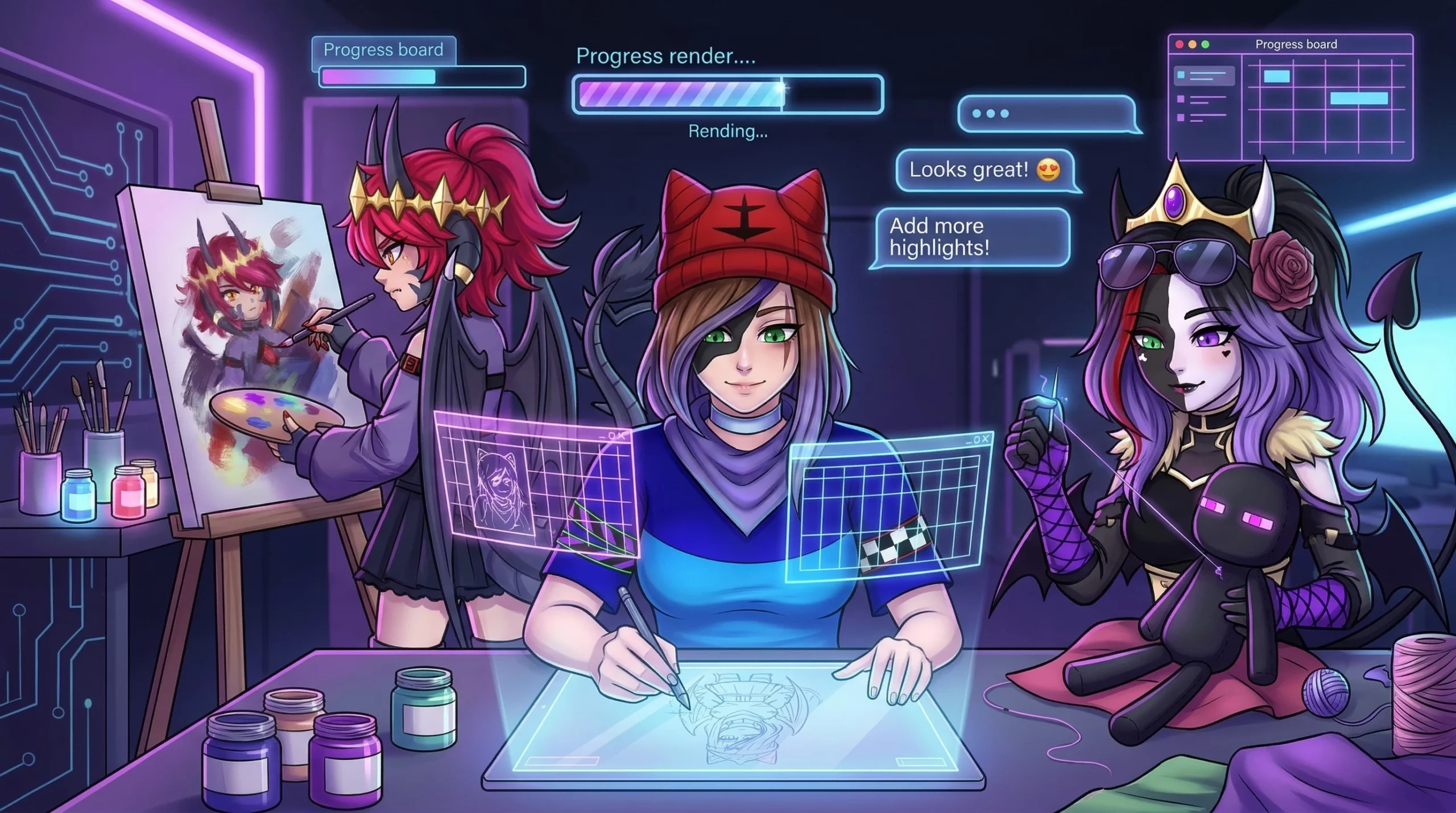
    Fan art tools setup

    Essential Tools for Every Fan Artist

    Fan art isn’t just about raw talent. Having the proper equipment helps transform your ideas into impressive artwork. A solid set-up makes the creative process smoother and lets you experiment more freely. In this section, I cover some of the core tools that I believe every fan artist should consider. These items have helped me bring my work to life, and they can help you do the same.

    Digital drawing tablets, styluses, and a computer with reliable performance are the basics you need to start. The right software to create digital art is also a must-have. Investing in quality gear can seem expensive at first, but it pays off as your skills and portfolio grow. Many fan artists find that having equipment they trust can give a boost to their creativity and allow for more experimentation with style and techniques.

    Beyond the standard hardware, many creative individuals benefit from having a backup system. An extra set of cables, a second monitor, or even a portable tablet for sketching on the go can be incredibly useful. This extra attention to detail not only makes your creative process more efficient, but it also gives you extra confidence in your setup.

    Getting Started with Your Fan Art Setup

    Before you start creating elaborate pieces, getting comfortable with your tools is very important. I remember when I first began fan art; it wasn’t just about practicing your drawing skills but also learning how your equipment works together. For beginners, it helps to start with an easy-to-use drawing tablet or even a smartphone app before making a major purchase.

    There are a few basic steps you can follow as you set up your fan art studio. Here are some practical ideas:

    1. Choosing Your Drawing Tablet: Look for a tablet that strikes a balance between performance and ease of use. A mid-range graphics tablet can offer a lot without overwhelming you with too many features.
    2. Selecting Software: Free and affordable drawing software is available, and many artists choose programs that offer a wide range of brushes and customization options. Experiment with a couple of these to see which one fits your style best.
    3. Setting Up Your Workspace: A clean, comfortable, and distraction-free area really helps maintain focus when you’re in the creative zone. A dedicated space for art can also inspire you every time you sit down to work.
    4. Learning Basic Shortcuts: Familiarize yourself with keyboard shortcuts and gesture controls. This little time-saver can speed things up considerably. Taking time to learn these can mean less frustration as you work on complex pieces.
    5. Starting Simple: Work on small projects or fan art sketches before jumping into a large, detailed piece. Practice makes the process smoother, and starting simple helps you build confidence in your skills.

    Taking these early steps builds a strong foundation for your creative process. It’s important to remember that what works for others might not work for you at first, so it’s worth experimenting to figure out what feels natural. Many artists find that a mix of traditional sketching techniques and digital tools gives them the creative flexibility and freedom to evolve their style over time.

    Things to Consider Before Investing in Fan Art Tools

    Investing in art equipment can be a bit daunting. There are several factors to consider before making your purchases. This section outlines some common challenges and decisions that can help guide your choices:

    • Graphics Tablet Sensitivity: A tablet with high sensitivity levels can capture the subtle differences of each brushstroke. This is very important when working on detailed fan art pieces where precision really matters.
    • Software Compatibility: Make sure the art software you choose works seamlessly with your device’s operating system. Many programs have different versions for various platforms, so doing a bit of research beforehand can save you time later.
    • Performance Requirements: Digital art software can be resource-intensive. A computer with a powerful processor and sufficient memory is key to running your applications smoothly, allowing you to focus on your creative work rather than fighting technical issues.
    • Ergonomics and Comfort: Spending long hours drawing can take a toll on your physical health. Invest in a chair and desk that support your posture along with peripherals that reduce strain. This not only helps prevent physical discomfort but also lets you work longer without fatigue.

    Graphics Tablet Sensitivity

    A sensitive tablet is essential for capturing the nuance of each stroke. The pressure sensitivity levels determine how much your line thickness and shading can vary, making a big difference in how your art turns out. Look for models that offer a broad range of sensitivity settings, so you can translate your creative ideas accurately onto the screen. Many experienced artists recommend trying out different tablets to see which one best captures your style.

    This level of detail becomes even more important when working on fan art that involves intricate shading and fine highlights. Tablets that provide an immediate, responsive feel can make your work process much more fluid and enjoyable, letting you put in more creative energy into your projects.

    Software Compatibility and Performance

    Your choice of software is an extension of your artistic vision. The best art programs provide a variety of brushes, layering options, and blending features that allow you to bring your ideas to life. Always confirm that your system meets the recommended specifications to avoid any lag or unexpected crashes. A smoothly running computer lets you test out new techniques without interruption, meaning you can experiment freely without worrying about technical setbacks.

    Many artists find that trying multiple software options before settling on one is a wise move. This way, you can compare user interfaces, features, and even customer support, helping you pick a program that truly matches your creative needs. Additionally, engaging with online communities and tutorials can help you get the most out of your chosen software.

    Ergonomics and Personal Comfort

    A comfortable workspace can give a boost to creativity substantially. Ergonomic tools such as a supportive chair and a properly positioned monitor are essential to prevent strains after long hours of drawing. Adjusting your lighting, having a stand for your tablet, and creating a workspace that feels inviting are small changes that add up to a significantly more pleasurable creative experience.

    It can also be beneficial to set up a routine that includes regular breaks and stretches to keep your energy levels high. Many professional artists find that a well-thought-out workspace not only supports their physical health but also sparks more creative ideas, making each session more productive and enjoyable.

    Advanced Tips and Tricks for Fan Artists

    Once you’re comfortable with the basics, you might want to push your art to the next level. I’ve gathered a few advanced tips that have helped me refine my fan art style over time. These ideas can give a boost to both your process and final work.

    Experiment with Layers and Blending Modes: Understanding how layers work in your software can open up a world of creative possibilities. Layer blending modes can simulate real-world textures and lighting effects. This capability allows you to create depth and vibrant effects that mimic traditional media, making your digital pieces come alive.

    Customize Your Brushes: Digital art software often includes standard brushes, but crafting your own or modifying existing brushes to suit your style can give your work a distinctive edge. Experimenting with a variety of brush textures and settings might lead to unique effects that lend a personal touch to each piece.

    Take Advantage of Shortcuts: Efficiency is key when working on complex projects. Learning keyboard shortcuts that speed up your workflow can save you a significant amount of time. The more comfortable you become with these shortcuts, the faster and more fluid your creative process will be.

    Explore Mixed Media Techniques: Don’t hesitate to mix traditional art with digital methods. Scanning pencil sketches or integrating photographic textures can add an interesting dimension to your digital artwork. Many artists find that blending these mediums creates a style that is uniquely their own.

    These advanced tips are meant to open up pathways to creativity that you might not have considered before. The process of experimenting and trying new methods is a key part of growing as an artist. Over time, you may stumble upon techniques that perfectly capture your vision and truly make your work stand out.

    The Basics: Must-Have Fan Art Tools Explained

    In my experience, every fan artist benefits from having a set of core tools that streamline the creative process. Here’s a closer look at the top 10 tools I consider essential:

    • Graphics Tablet: This is the heart of digital art. A quality graphics tablet with high pressure sensitivity lets you translate your pen-on-paper technique directly onto the screen with natural ease.
    • Stylus: A responsive stylus that works well with your tablet is vital. It should mimic the feel of a traditional pencil while providing the precision necessary for detailed artwork.
    • Drawing Software: Programs like Clip Studio Paint, Adobe Photoshop, or free alternatives such as Krita offer a wide range of brushes, layering options, and tools that help you create professional-level fan art.
    • High-Resolution Monitor: A monitor that reproduces colors accurately ensures that your work is shown as intended. This is especially important when you plan to share or print your artwork for a larger audience.
    • Powerful Computer or Laptop: Digital art applications can be demanding. Having a machine that can manage large files and run multiple programs at once guarantees that your workflow remains uninterrupted.
    • External Hard Drive: Keeping backups is very important. An external drive or cloud storage solution helps safeguard your work and provides extra space for high-resolution files.
    • Color Calibration Tool: Ensuring consistent colors across all devices is really important, especially if you work with print or digital displays. Calibration tools help maintain true-to-life color output on your monitor.
    • Sketchpad and Pencils: Even in our digital era, a traditional sketchpad is invaluable for capturing quick ideas and brainstorming layouts. The tactile experience of sketching can often inspire new digital techniques.
    • Printer or Scanner: These devices are useful for transferring your physical sketches into digital formats while preserving details and textures crucial for your artwork.
    • Desk and Ergonomic Chair: Although not a gadget in the traditional sense, a well-organized, comfortable workspace is essential for long creative sessions. Ergonomic furniture supports your posture and contributes to a more productive work environment.

    Each tool brings its own advantages, whether it’s allowing for precise digital strokes or ensuring a steady working environment during long hours. Over time, you might refine or expand your toolkit in order to suit your evolving style and workflow. Establishing a reliable set of tools now lays the groundwork for future artistic achievements and experimentation.

    Frequently Asked Questions

    I often get questions from other fan artists about setting up the perfect workspace and what tools to invest in. Here are some common inquiries and my thoughts:

    Question: What is the best graphics tablet for a beginner?
    Answer: There are several affordable tablets that offer excellent sensitivity and ease of use. Start with a mid-range model and upgrade as your skills improve. This approach helps you understand which features really matter to your creative process.


    Question: Which drawing software is recommended for fan art?
    Answer: Many artists favor programs like Clip Studio Paint and Krita because they offer a balance between robust features and user-friendly interfaces. It’s worthwhile to try out a few free trials and see which one fits your workflow the best.


    Question: How do I maintain my equipment and avoid burnout?
    Answer: Regular maintenance is key. This might mean keeping your tablet drivers updated, backing up your work consistently, and ensuring that your workspace is comfortable. Don’t forget to take regular breaks and stretch a bit—it all adds up to a healthier creative process.


    Wrapping Up

    Every fan artist can benefit from investing in the right tools. The 10 items I’ve outlined not only cover the basics of digital art creation but also pave the way for advanced techniques as you progress. From a drawing tablet that captures every stroke accurately to ergonomic furniture that supports long sessions, these tools help transform your creativity into tangible results. It isn’t just about having fancy equipment. It is about setting yourself up for success in every step of the creative process.

    Starting with a simple setup and gradually expanding your toolkit can make creating fan art both enjoyable and effective. I encourage you to experiment with these recommendations, tailor them to your own style, and most importantly, have fun along the way. Your fan art adventure is a chance to bring your favorite stories and characters to life. With the right tools and a dedicated space, there’s no limit to what you can create.

    Additional advice for emerging fan artists: Remember that every creative process involves trial and error. Spend time learning the ins and outs of each tool, and don’t be afraid to ask for feedback from your peers. Joining online communities can be a fantastic way to exchange ideas, get inspired by others, and stay motivated. Over time, as you build your portfolio and refine your techniques, you’ll notice that small improvements add up to major progress in your artistry.

    Taking the time to set up a workspace that suits your needs, researching equipment thoroughly, and continuously practicing will build not only your skills but also your confidence. Art is an ever-evolving adventure, and every piece you create is a step toward mastering your craft. Enjoy the process, keep experimenting, and let your imagination run wild. Your dedication will shine through in your work, and you might just discover new methods and styles that push your creative boundaries even further.
  • Exploring The World Of Fan Art: A Beginner’s Guide

    Fan art opens a door to a vibrant and imaginative world where creativity has no limits. In today’s culture, fan art offers a way to celebrate and reinterpret favorite characters, stories, and universes. This beginner’s guide walks you through what fan art is all about and provides practical tips to kick things off on your creative adventure.

    Fan art creation process

    Understanding Fan Art and Its Appeal

    The world of fan art is rich and varied, presenting techniques and styles that reflect an artist’s personal take on beloved media. Whether inspired by video games, movies, literature, or comics, fan art lets you express your passion in unique ways.

    For many creators, fan art serves as a stepping stone to honing their skills. It offers a relaxed space to experiment with different techniques before venturing into creating original work. This creative process steadily builds communities united by a shared love for popular culture.

    Although fan art borrows elements from existing works, it always leaves room for originality. Artists mix their unique style with elements from the source material, creating designs that honor tradition while showcasing personal expression.

    Getting Started with Fan Art

    Beginning in fan art can feel overwhelming due to the many styles and mediums available. The best way to overcome this early uncertainty is by starting with simple projects and gaining confidence along the way.

    First, choose a character, theme, or universe that resonates with you—whether it’s from a book, movie, or video game. Spend some time gathering reference images and jotting down notes on what makes that subject special.

    Use these references as inspiration rather than trying to replicate them exactly. Experiment with rough sketches and drafts at your own pace, remembering that every line you draw helps improve your skills.

    Basic Tools and Techniques for Beginners

    You don’t need expensive tools to jump into fan art. Many artists begin with simple supplies, whether they lean toward traditional drawing or digital art.

    If you prefer traditional methods, a set of pencils, an eraser, and paper is a great start. Try different pencil grades to see how shading and textures change. When you feel ready, experiment with colored pencils, markers, or watercolors to add more life to your work.

    For digital enthusiasts, a drawing tablet with graphic software—such as Photoshop or free alternatives—can be very useful. These tools let you mimic traditional techniques, easily undo mistakes, and test out multiple ideas without extra cost.

    Keep these core techniques in mind:

    • Sketching: Outline loose ideas without worrying about perfection.
    • Line Art: Refine your sketches into clearer, more defined lines.
    • Shading and Coloring: Add depth through methods like hatching, stippling, or digital painting.

    Common Challenges and Considerations

    As you create fan art, you may encounter challenges. One common issue is balancing originality with staying true to the source material. It’s important to add your own twist rather than simply imitating what already exists.

    Legal and ethical boundaries also matter. While many original creators see fan art as a tribute, others draw a firmer line around their work. Researching fair use guidelines and giving proper credit can help protect your art and reputation.

    Technical challenges are common too. Mastering fundamentals like perspective, anatomy, and color theory can greatly improve your pieces. Remember that every mistake is an opportunity to learn and grow.

    • Originality vs. Imitation: Infuse familiar elements with your personal style.
    • Legal Considerations: Stay informed about copyright rules and give credit when needed.
    • Technical Skills: Regular practice of basic techniques will boost your overall ability.

    Balancing Inspiration and Creativity

    It’s essential to balance inspiration from existing works with your own creative vision. Start by checking out the subject in detail, then let your ideas transform those observations into something new. Over time, your unique style will confidently emerge.

    Understanding Copyright Issues

    Being aware of copyright challenges is very important when creating fan art. Although many view fan art as a celebration, some original creators insist on strict boundaries. Research the legal aspects and always give proper credit to help keep your work respectful and safe.

    Advanced Tips and Tricks for Fan Art

    Once you’re comfortable with the basics, you can take your fan art to the next stage with advanced tips. Experimenting with new methods can make your art more engaging and expressive.

    Experiment with Multiple Mediums: Although mastering one medium is useful, trying different tools can offer fresh perspectives. Combining digital brushes with traditional sketches can yield eye-catching results. This kind of experimentation might even help you stumble upon a style that truly fits your vision.

    Step Up Your Work with Digital Editing: If you’re into digital art already, learning to optimize your images can make a big difference. Adjust brightness, contrast, or try out different color filters to take your work up a notch—all without a heavy investment.

    Focus on Composition: How you arrange elements in your artwork can guide the viewer’s eye. Experiment with different layouts, use negative space, symmetry, and balance to create pieces that really stand out.

    Seek Feedback and Get Involved with the Community: Sharing your work invites valuable feedback. Constructive insights help refine your technique, while getting involved with other fan artists can spark fresh ideas.

    Choosing Your Focus: Themes and Techniques

    Selecting a specific focus can guide your creative efforts. Some artists enjoy redesigning characters with unique twists, while others like to reimagine iconic scenes in alternative settings.

    • Character Redesigns: Reinterpret familiar characters by exploring new outfits, poses, or settings.
    • Alternative Universes: Picture your favorite characters in different time periods or worlds.
    • Mixed Media Projects: Combine traditional drawing with digital editing for a unique blend of techniques.

    Focusing on a theme helps you polish your skills and build a portfolio that reflects a consistent style over time.

    Frequently Asked Questions

    Below are answers to some common questions about starting with fan art:

    What is the best way to start?
    Begin by choosing a subject you love, gathering a few references, and simply start sketching. Your early work doesn’t need to be perfect.

    How do I develop my own style?
    Experiment with various techniques and mediums. Over time, blending your ideas with elements of the source material will help your personal style shine through.

    How should I handle copyright issues?
    Stay informed about legal guidelines. Often, giving credit and sticking to fair use practices will keep your work both respectful and safe.

    Wrapping Up Your Fan Art Journey

    Fan art is an exciting realm full of creative potential. By exploring different tools, techniques, and themes, you can grow as an artist and a fan. Every artist starts somewhere, and enjoying the process is key.

    This guide is here to help you take that first step. Practice regularly, listen to feedback, and don’t hesitate to try new ideas. Each piece you create is a stepping stone towards mastering your craft.

    So, grab a pencil or fire up your digital art software, and jump into the world of fan art. Whether you choose to share your creations online or simply enjoy making art, this creative adventure is all about exploring your passions in fresh, innovative ways.

    Remember, every artist faces challenges along the way, and your unique perspective is what sets your work apart. With time, practice, and a bit of inspiration, your skills and confidence will continue to grow.

    Fan art isn’t just replicating what already exists. It transforms ideas into something that reflects who you are. Enjoy the process, learn from your mistakes, and celebrate each improvement. The creativity you invest today lays the foundation for a more expressive tomorrow.