Author: Skylar Denesovych

  • Designing Characters For Different Genres

    Designing Characters For Different Genres

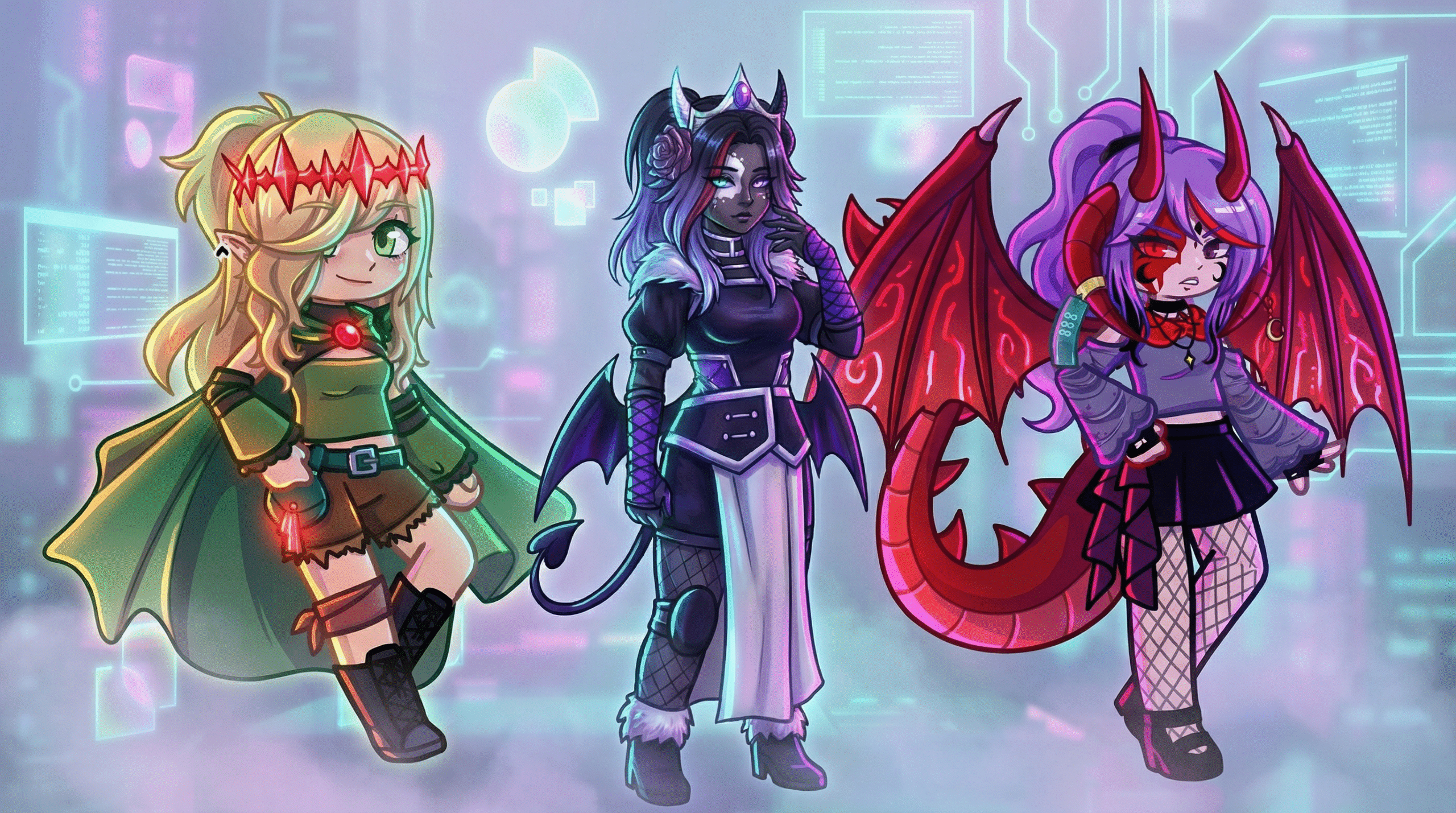
    Character design is where genre really starts to show its personality. Before a character says a word, their silhouette, clothing, posture, and details already tell the audience what kind of world they belong to. A well-designed character doesn’t just exist in a story—they feel like they were born from it.

    Each genre has its own visual language, rules, and expectations. The trick isn’t following those rules blindly, but understanding them deeply enough to bend them without breaking immersion.

    Fantasy Characters: Magic, Myth, and Symbolism

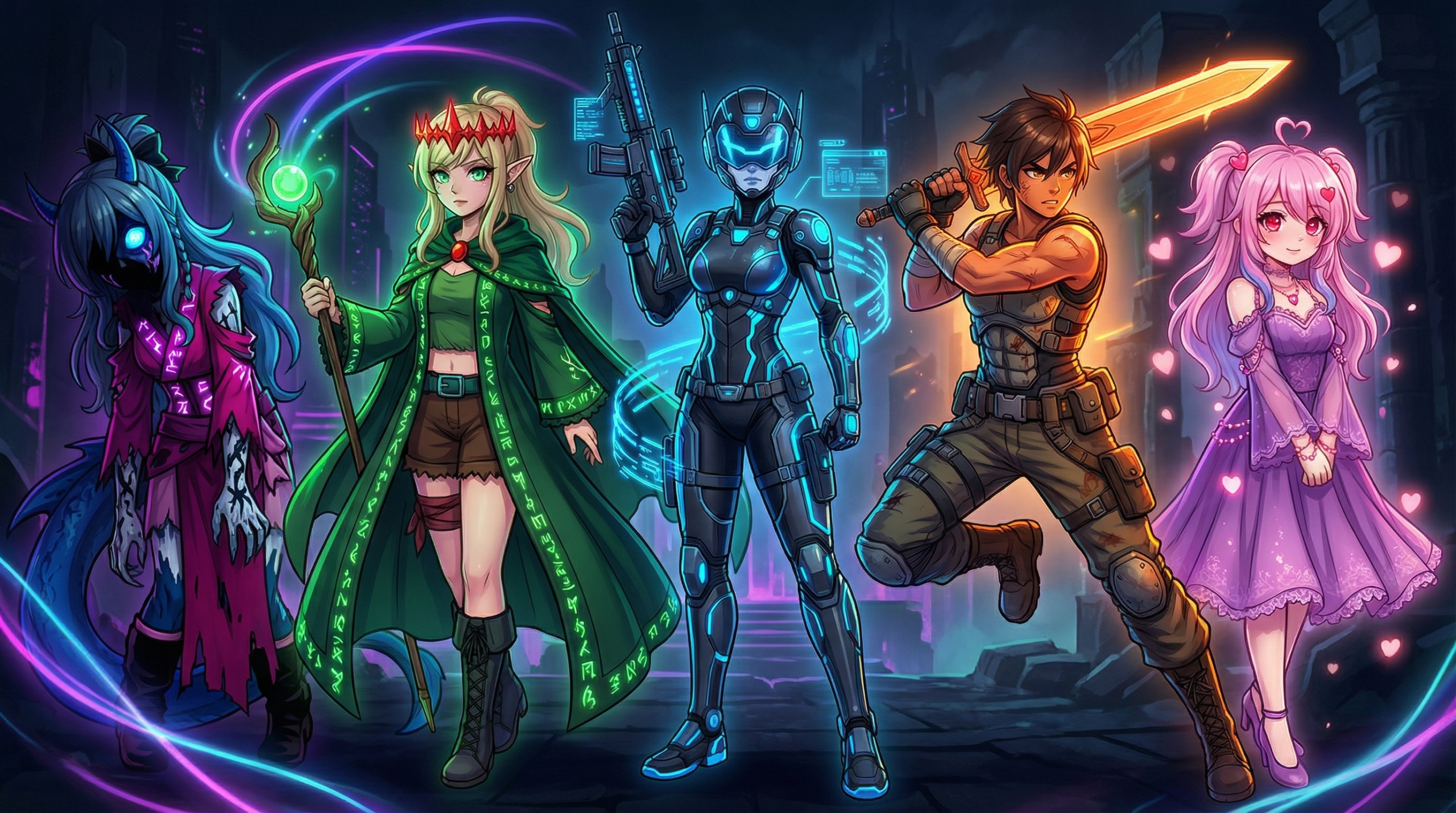
    Fantasy characters thrive on symbolism. Their designs often pull from mythology, folklore, and ancient storytelling traditions. Flowing fabrics, engraved armor, staffs, cloaks, and glowing elements all reinforce the sense of magic and history.

    The strongest fantasy designs balance the extraordinary with the human. A mage might wield impossible power, but their posture, scars, or worn clothing can hint at years of struggle. That contrast keeps them grounded.

    Fantasy characters also benefit from clear visual hierarchies. Royalty looks distinct from commoners. Warriors carry the weight of battle in their armor. Every design choice should quietly answer the question: where does this character fit in this world?

    Sci-Fi Characters: Technology Meets Identity

    Sci-fi character design is rooted in function. Technology isn’t decoration—it’s survival. Clothing, gear, and body modifications should look purposeful, shaped by the environment and society the character lives in.

    Clean lines, modular outfits, glowing interfaces, and cybernetic enhancements often signal advanced worlds. But the best sci-fi characters aren’t just shiny—they show how technology has changed them emotionally and socially.

    A pilot’s worn suit, a hacker’s neural implant, or a soldier’s augmented limbs can all tell stories about class systems, ethics, and power structures. Sci-fi design works best when it quietly asks: what did progress cost?

    Horror Characters: Fear Through Design

    Horror characters are built around discomfort. Their designs often rely on distortion, asymmetry, or the unsettling feeling that something is slightly wrong. Fear comes from what feels familiar—but broken.

    Less is often more. A shadowed face, unnatural proportions, or an eerie stillness can be far more effective than excessive gore. Horror thrives on implication, letting the audience’s imagination fill in the blanks.

    Backstory plays a massive role here. Trauma, obsession, curses, or transformation often shape the character’s appearance. When fear is rooted in emotional pain, the design hits harder and lingers longer.

    Action Characters: Motion, Strength, and Readability

    Action characters are designed for movement. Strong silhouettes, clear shapes, and readable gear are essential, especially in fast-paced scenes. If a character can’t be recognized mid-motion, the design fails.

    Their builds often reflect their fighting style—lean and agile, bulky and powerful, or balanced and tactical. Clothing and equipment should enhance motion, not restrict it.

    What makes action characters memorable isn’t just strength—it’s vulnerability. Scars, worn gear, or imperfect armor add realism and hint at battles survived, not just battles won.

    Romantic Characters: Emotion First, Design Second

    Romantic character design prioritizes emotional readability. Subtle details—soft silhouettes, expressive faces, relaxed posture—help convey vulnerability and intimacy.

    Costume choices often reflect personality and emotional state rather than power or status. Small changes in appearance can signal growth, heartbreak, or connection without spelling it out.

    Great romantic characters feel real because their flaws are visible. Imperfect smiles, nervous gestures, or mismatched outfits make them human and relatable, grounding the story’s emotional core.

    FAQs

    Q: Why does character design change by genre?
    A: Each genre has different storytelling goals, themes, and emotional expectations, which influence how characters should look and feel.

    Q: What makes a fantasy character design effective?
    A: Strong symbolism, world consistency, and a balance between magical elements and human traits.

    Q: How do sci-fi designs stay believable?
    A: By making technology feel functional, integrated into daily life, and reflective of the world’s social structure.

    Q: Why is subtlety important in horror character design?
    A: Implied fear and psychological tension often create stronger emotional reactions than explicit visuals.

    Q: What should action character designs prioritize?
    A: Readability, motion, and visual clarity during fast-paced scenes.

    Q: How do romantic designs support storytelling?
    A: They emphasize emotion, vulnerability, and personal connection through subtle visual cues.

  • Creating Dynamic Poses For Your Characters

    Creating Dynamic Poses For Your Characters

    Dynamic poses are what turn a drawing into a moment. They give your characters energy, emotion, and a sense of motion that makes them feel alive instead of frozen in place. A strong pose tells a story instantly—before facial expressions, dialogue, or details even come into play.

    Think about the difference between a character standing straight versus one caught mid-movement. The second version pulls you in. It feels active, intentional, and expressive. That’s the power of a dynamic pose.

    Gesture Drawing: Finding the Flow

    Everything starts with gesture. Gesture drawing is about capturing movement, not perfection. You’re sketching the energy of the pose, not the anatomy lesson.

    The line of action is your anchor here. It’s an invisible curve that runs through the body and defines the main motion. When that line feels strong, the entire pose feels stronger.

    A common mistake is slowing down too much. Overthinking kills flow. Keep your lines loose, fast, and confident. Short timed sketches help train your eye to prioritize movement over details.

    Using Anatomy to Support the Pose

    Anatomy isn’t about memorizing every muscle—it’s about understanding how the body naturally moves. Knowing where joints bend and how weight shifts keeps poses believable and grounded.

    Observe real movement. Watch how people walk, stretch, or react emotionally. Notice how shoulders tilt, hips shift, and spines curve. These small details make poses feel natural instead of stiff.

    You don’t need perfect anatomy to create strong poses, but a basic understanding helps prevent awkward proportions and impossible positions.

    Emotion Through Body Language

    Poses don’t just show action—they show emotion. Body language often communicates more than facial expressions ever could.

    A slouched pose can suggest defeat. An open stance can feel confident or welcoming. Tension in the shoulders or hands can hint at fear, anger, or determination.

    Exaggeration helps, especially in animation and stylized art. Push poses slightly past realism to make emotions clearer and more readable without losing believability.

    References and Creative Tools

    Using references isn’t cheating—it’s smart. Photos, videos, and real-world observation help you understand complex movement and angles.

    3D tools like pose mannequins or software such as Blender can be incredibly useful for testing perspectives and lighting. They give you a solid foundation to build from.

    The key is balance. Use references as a guide, not a crutch. Always reinterpret them through your own style and storytelling instincts.

    Practice, Feedback, and Growth

    Improvement comes from repetition. The more poses you draw, the more natural movement becomes. Set aside time to practice gesture, anatomy, and emotional poses separately.

    Feedback speeds up growth. Sharing work with other artists helps reveal issues you might not notice on your own. Constructive critique strengthens your skills, not weakens them.

    Dynamic posing is a long game. Every sketch builds confidence, control, and intuition—and over time, your characters will start moving effortlessly on the page.

    FAQs

    Q: What makes a pose dynamic?
    A: A dynamic pose shows movement, energy, and intention through strong gesture, clear weight distribution, and expressive body language.

    Q: Why is gesture drawing important?
    A: Gesture drawing captures the core motion of a pose, helping artists avoid stiffness and focus on flow and energy.

    Q: How does anatomy improve posing?
    A: Basic anatomy knowledge ensures poses feel natural and believable by showing how joints, muscles, and weight actually work.

    Q: Should poses be exaggerated?
    A: Slight exaggeration improves clarity and emotion, especially in animation and stylized character design.

    Q: Are references necessary for dynamic poses?
    A: References help understand movement and perspective, but they should be adapted creatively rather than copied directly.

    FAQ Schema – Color Theory in Character Design
  • Color Theory In Character Design

    Color Theory In Character Design

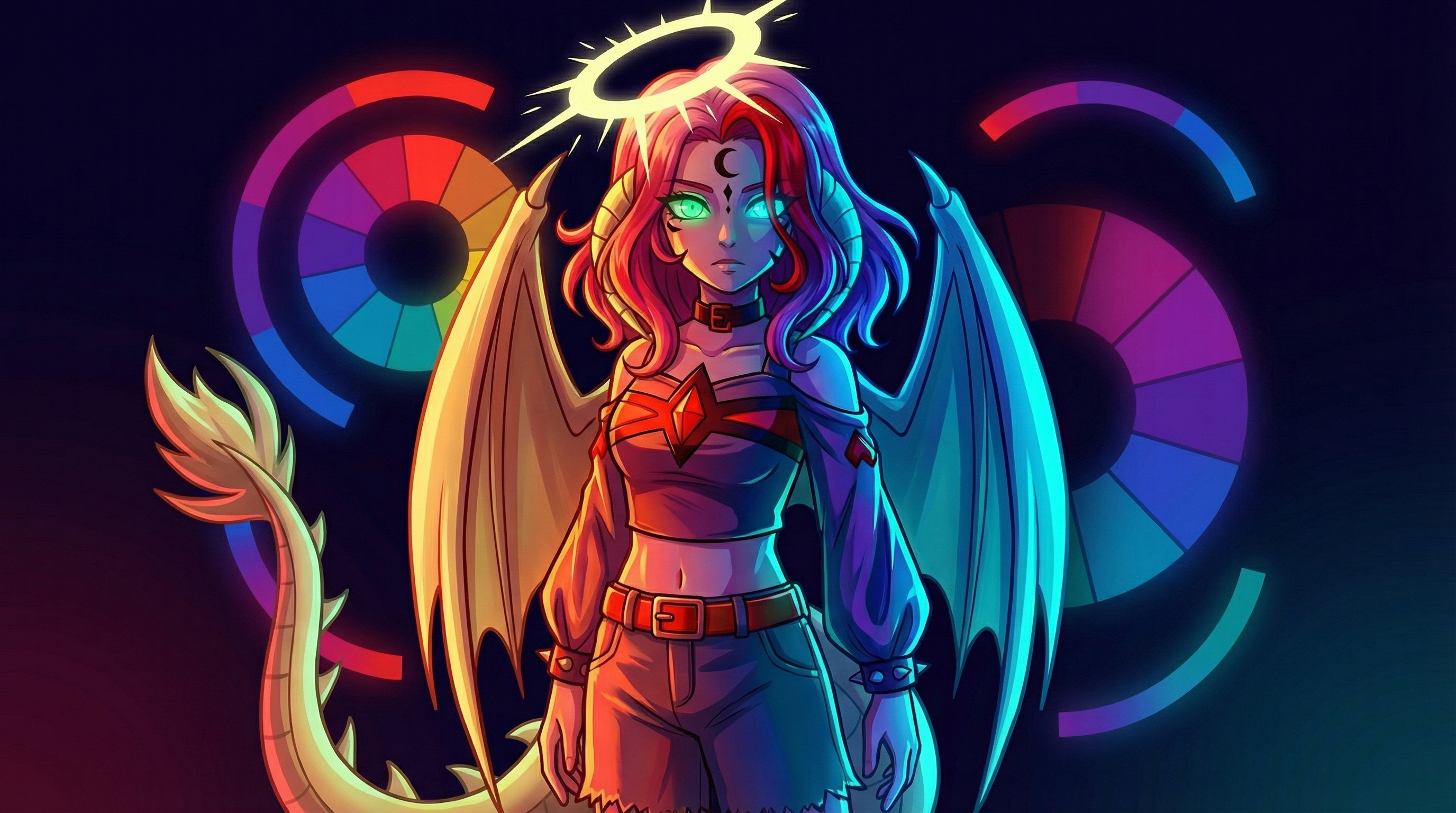
    Color theory is one of the most powerful tools in character design—and one of the easiest to overlook. Colors aren’t chosen randomly. They communicate emotion, personality, and narrative intent before a character ever speaks. When used with purpose, color becomes visual storytelling.

    Why Color Matters in Character Design

    Color shapes first impressions. It tells the audience how to feel about a character instantly. Dark palettes often signal mystery or danger, while bright, saturated colors suggest optimism, energy, or innocence.

    These choices aren’t about aesthetics alone. They help establish mood, hint at a character’s role, and reinforce their emotional core throughout a story.

    Understanding the Color Wheel

    The color wheel is the foundation of smart color choices. It shows how colors relate to each other and helps designers build palettes with intention.

    • Primary colors form the base.
    • Complementary colors sit opposite each other and create strong contrast.
    • Analogous colors sit side by side and feel harmonious.

    Using the wheel helps balance visual impact—too much contrast can feel chaotic, while too much harmony can feel flat.

    Color Psychology and Cultural Meaning

    Colors carry emotional weight. Red can suggest passion, danger, or power. Blue can feel calm, cold, or melancholic. These associations influence how audiences interpret characters on a subconscious level.

    Culture adds another layer. A color that symbolizes purity in one culture may represent mourning in another. Understanding these differences helps designers avoid miscommunication and build characters that feel intentional and respectful.

    Using Color to Define Character Identity

    Strong character palettes act like visual signatures. Think of characters instantly recognizable by color alone. A consistent palette reinforces identity, making characters memorable even in silhouette or motion.

    Color can also track transformation. Shifts in palette over time can reflect growth, corruption, healing, or internal conflict—telling a story visually without exposition.

    Designing Across Different Mediums

    Color must adapt to the medium. In 2D animation, bold flat colors ensure readability. In 3D, lighting and texture affect how colors appear, often requiring adjustment.

    Games introduce environmental interaction—colors must stand out without clashing with backgrounds. Accessibility matters too. High contrast and thoughtful palette choices help ensure characters are readable for all audiences.

    Advanced Color Techniques

    Once the basics are solid, designers can push further. Gradients, highlights, and shadow tones add depth and mood. Texture changes how color feels—smooth surfaces read differently than rough or matte ones.

    Trends evolve, but intentional color choices endure. The most iconic characters adapt their palettes over time while staying visually recognizable.

    FAQs

    Q: Why is color theory important in character design?
    A: Color communicates emotion, personality, and narrative intent instantly, helping audiences understand characters at a glance.

    Q: How do I choose the right colors for a character?
    A: Start with personality and story role, then use the color wheel and psychology to build a balanced, intentional palette.

    Q: What is color psychology in character design?
    A: Color psychology studies how colors influence emotions and perceptions, allowing designers to guide audience reactions subconsciously.

    Q: How do colors change across animation, games, and 3D?
    A: Lighting, texture, motion, and environment affect how colors appear, requiring adjustments for clarity and consistency.

    Q: Can color show character growth?
    A: Yes. Shifts in palette can visually represent transformation, emotional change, or narrative progression.

  • Creating Memorable Characters: A Guide

    Creating Memorable Characters: A Guide

    Some stories fade quickly. Others stay with us for years, often because of a single character who anchors the entire experience. Memorable characters don’t just support a plot—they become the reason audiences care. They shape emotional responses, create attachment, and give stories their lasting identity.

    Characters who endure leave a psychological imprint. They represent ideas, values, and emotional truths that audiences recognize in themselves. This is why people don’t just remember stories—they remember who made them feel something.

    Establishing Narrative Identity

    Strong characters begin with narrative clarity rather than surface traits. Before appearance or style matters, a character must have a clear role within the story’s emotional structure.

    Foundational questions define this role: what emotional function the character serves, how they reinforce or challenge the story’s themes, and what internal conflict drives their decisions.

    A character’s past supports their narrative purpose, shaping reactions and choices that feel consistent, believable, and meaningful.

    Differentiation Through Narrative Function

    Distinct characters stand out not because they are unusual, but because they fulfill a role no one else can replace. Their value comes from how they affect the story rather than how they appear.

    Differentiation emerges through emotional responses to shared challenges, conflicting values that create tension, and personal stakes that reshape story outcomes.

    Relatability grows from emotional truth, allowing audiences to recognize familiar struggles within extraordinary circumstances.

    Character Arcs as Emotional Architecture

    A character arc forms the emotional backbone of a story. It shows how experiences reshape beliefs, priorities, and identity over time.

    Effective arcs focus on transformation—testing beliefs through conflict and guiding characters toward earned change rather than sudden shifts.

    When character growth aligns with story themes, the narrative gains cohesion, resonance, and lasting impact.

    Characters Within Living Worlds

    Characters gain depth when they are inseparable from the worlds they inhabit. Their environments should pressure them, test their values, and reflect internal conflicts.

    A strong narrative world responds to character choices, evolves alongside growth, and reinforces themes through consequence.

    Settings should feel like natural extensions of character journeys rather than decorative backdrops.

    Longevity Through Evolution

    Characters who endure across stories remain relevant by evolving without losing their core identity. Adaptability allows them to connect with new audiences while staying emotionally recognizable.

    Longevity comes from emotional flexibility, thematic relevance, and the willingness to explore new internal conflicts over time.

    Enduring characters are not static icons—they are living narratives that continue reflecting the human experience.

    FAQs

    Q: Why do memorable characters matter in storytelling?
    A: They create emotional attachment, shape narrative identity, and give stories lasting impact beyond the plot.

    Q: What makes a character feel emotionally authentic?
    A: Consistent motivation, believable reactions, internal conflict, and growth aligned with the story’s themes.

    Q: How do character arcs improve a story?
    A: Arcs show transformation over time, making characters relatable and reinforcing emotional payoff.

    Q: Why is character longevity important?
    A: Characters that evolve while staying true to their core remain relevant across stories, cultures, and generations.

  • Drawing Expressive Faces For Animation

    Drawing Expressive Faces For Animation

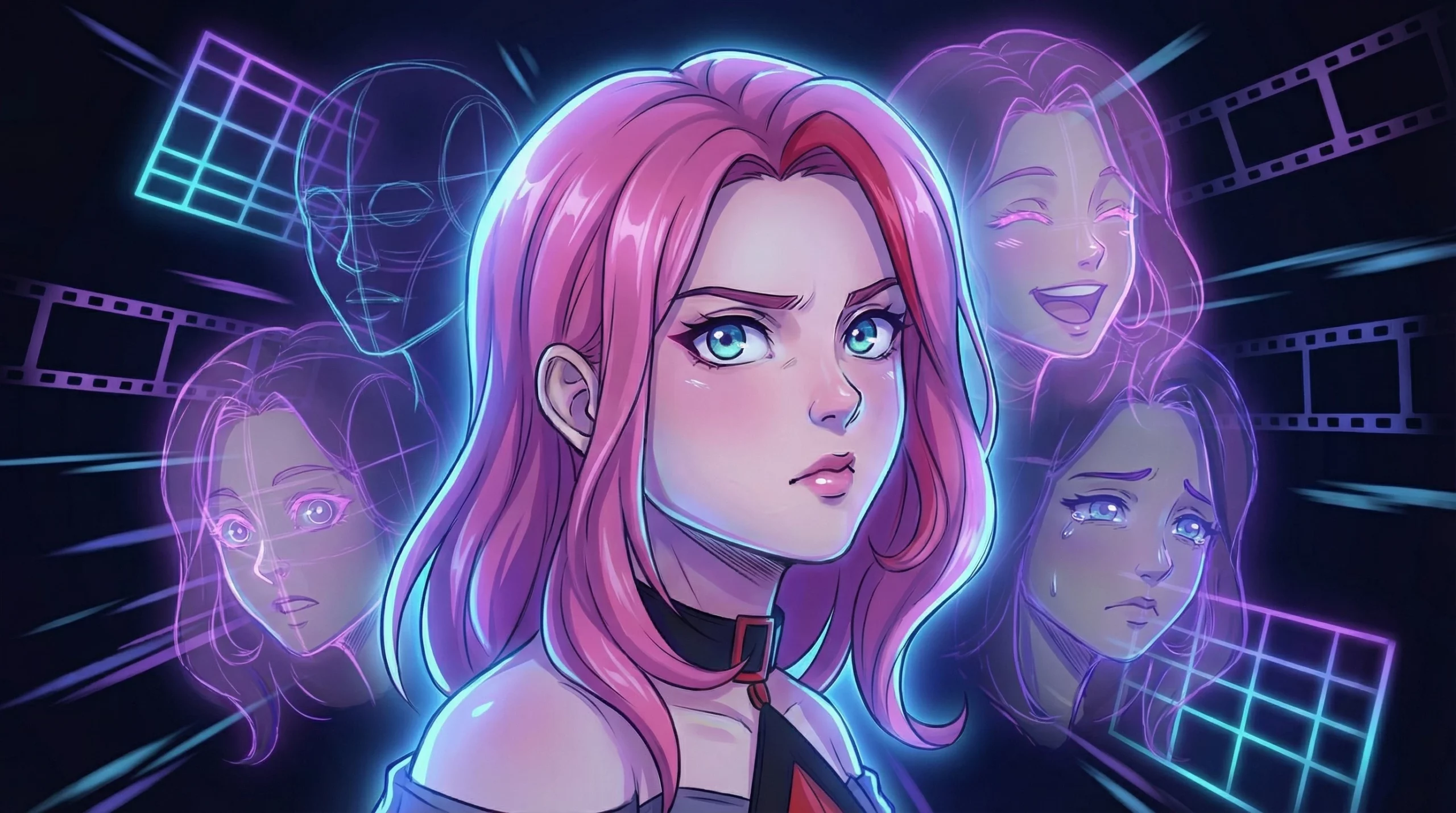
    Facial expressions in animation are the emotional engine that connects audiences to characters. When expressions feel bold, subtle, or purposefully exaggerated, they instantly communicate mood, intention, and personality—making stories more immersive and characters more memorable.

    The Psychology of Expressive Faces

    Humans instinctively recognize emotional cues. Skilled animators use this psychology—layering timing, anticipation, exaggeration, and micro-movements—to make characters feel alive.

    Cultural interpretations add complexity. A smile or wink may carry different meanings across the world, reminding animators to craft expressions with intention and awareness.

    Mastering Facial Anatomy

    With around 43 muscles shaping human expression, understanding anatomy is essential. Eyes, brows, lips, and cheeks shift in recognizable patterns that convey emotion.

    Observation strengthens this skill—studying small twitches, slow-building smiles, or rapid changes helps animators capture nuance.

    Exaggeration remains a core tool, pushing expressions beyond realism for clarity and impact.

    Sketching Expressive Characters

    Sketching begins with simple shapes and silhouettes. Once structure is set, contrast and shading refine emotion—shadows intensify moods, highlights soften tone.

    Avoiding stiffness, misalignment, or lifeless eyes keeps characters dynamic and believable.

    Studying iconic expressions from animated classics reveals how small shifts tell powerful emotional stories.

    Advanced Tools & Technology

    Modern animation tools enhance expressive performance. Adobe Animate, Toon Boom Harmony, and AI-assisted platforms streamline the process. Real-time facial capture translates human expressions into digital characters with stunning accuracy.

    Blending traditional drawing with digital tools unlocks deeper creativity and elevates expressive storytelling.

    FAQs

    Q: Why are facial expressions important in animation?
    A: They create emotional clarity, allowing audiences to understand a character instantly.

    Q: How do animators learn realistic expressions?
    A: Through anatomy study, observation, sketching practice, and referencing real-life emotional cues.

    Q: What tools help with expressive animation?
    A: Toon Boom Harmony, Adobe Animate, AI enhancements, and facial capture systems.

    Q: How does exaggeration improve expressions?
    A: It pushes emotion beyond realism, making reactions clearer and more readable.

  • Understanding Proportions In Character Design

    Understanding Proportions In Character Design

    Character design isn’t just about drawing figures, it’s a creative language that shapes emotion, personality, and storytelling. One of the most fundamental elements in character creation is proportion, which influences how audiences perceive a character’s identity, mood, and role in their world.

    What Are Character Proportions?

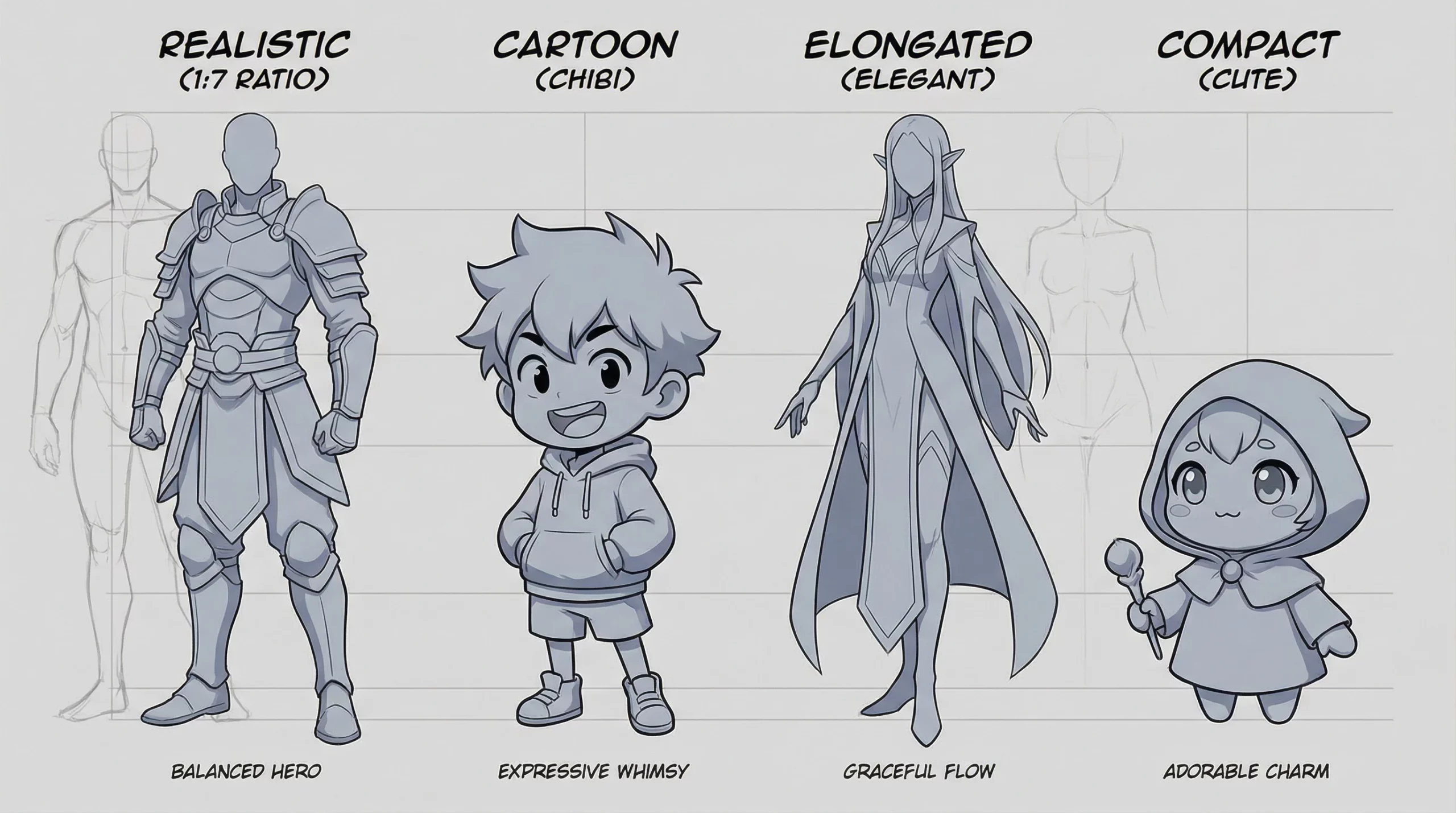
    Proportions describe the size relationships between body parts, like head-to-body ratio, limb length, torso width, and silhouette. Realistic characters typically follow natural human anatomy, such as a 1:7 or 1:8 head-to-body ratio. Stylized characters, by contrast, might feature oversized heads, elongated limbs, or compact frames to convey a specific mood or visual tone.

    These proportions instantly tell your audience whether a character is serious, whimsical, childlike, heroic, dangerous, or approachable.

    Cultural and Psychological Influence of Proportions

    Proportions aren’t just visual, they carry cultural meaning. Different cultures associate certain shapes with power, elegance, purity, or humour. A towering, broad-shouldered character might symbolize strength in one culture, while another might view slender proportions as more noble or refined.

    Psychology also plays a role. Characters with large eyes often seem innocent or expressive. Long limbs can feel eerie or graceful depending on the design. Rounded shapes feel friendly, while sharp silhouettes suggest danger or intensity.

    Intentional exaggeration like Jack Skellington’s lankiness or Mickey Mouse’s roundness creates instantly recognizable icons.

    Balancing Artistic Style with Realism

    Striking the right balance between creativity and realism helps make characters believable while still maintaining unique style. Even when exaggerating proportions, grounding your choices in anatomy ensures the design feels purposeful rather than accidental.

    Humanoid characters need believable skeletal structure, even if stylized. Creatures and fantasy beings benefit from logical internal rules, unicorns with slender legs appear elegant, while dragons with massive torsos convey power.

    Experimentation is key. Refining body shapes through sketches or digital tools helps tighten consistency, especially in animations, comics, or games.

    Tips and Tricks for Aspiring Designers

    • Study human and animal anatomy regularly.
    • Use thumbnail sketches to test proportion variations quickly.
    • Choose proportions based on your target audience (kids prefer rounder, simpler forms; adults may prefer grounded realism).
    • Take advantage of digital tools for scaling, adjusting, and comparing proportions.
    • Get frequent critiques to spot proportion issues and refine your design choices.

    These skills form the foundation, but your unique creative voice brings characters to life.

    FAQs

    Q: What are proportions in character design?
    A: Proportions describe the size relationships between body parts, which shape how a character is perceived visually and emotionally.

    Q: Why do proportions matter in character design?
    A: They help communicate personality, style, and realism while ensuring consistency across different poses and scenes.

    Q: How do different cultures interpret proportions?
    A: Cultural symbolism influences how certain shapes are perceived—strength, elegance, innocence, or authority vary across cultures.

    Q: How can I improve my understanding of proportions?
    A: Study anatomy, sketch frequently, refine your proportions digitally, and use feedback to continue improving.

    Q: Should proportions always follow realism?
    A: Not necessarily. Stylized exaggeration is powerful, as long as the proportions follow intentional logic within your chosen art style.

  • How To Develop Unique Character Styles

    How To Develop Unique Character Styles

    Developing unique character styles is one of the most effective ways to make your stories stand out. Readers remember characters who feel authentic, multidimensional, and visually or emotionally distinct. Whether you’re writing a novel, designing game characters, or creating art, understanding how to shape memorable personalities gives your world depth and impact.

    What Makes a Character Style Unique?

    A unique character style comes from a mix of personality, history, emotional depth, and visual identity. Characters become unforgettable when they show traits that feel honest rather than forced—quirks, habits, or perspectives that reflect the complexity of real people. These individual touches help readers form a personal connection and keep them invested.

    Authenticity plays a major role in building a compelling character. Pulling inspiration from real cultures, human experiences, and meaningful observations helps avoid stereotypes while grounding your story in something emotionally true. A strong sense of realism makes even the most fantastical characters feel relatable.

    Diversity as a Strength

    Incorporating diverse backgrounds, identities, and lived experiences not only enriches your story but also increases its emotional reach. Readers engage more deeply with characters who represent a broader range of perspectives, and it supports a richer narrative world overall.

    How Inspiration Shapes Character Style

    Inspiration for unique characters often comes from everyday life. Observations—like overheard conversations, subtle gestures, or unusual personal habits—can spark fresh creative ideas. You may draw from:

    • People you’ve met
    • Cultural influences
    • Memorable encounters
    • Unexpected quirks
    • Childhood memories
    • Uncommon behaviors

    These details add realism, texture, and originality to your characters.

    Books, films, and games can also inspire style-building, though the goal is transformation, not imitation. Let other stories trigger new questions: What if this type of trait belonged to a different kind of character? How would it change their arc?

    Emotional authenticity matters too. Give your characters real reactions—joy, fear, hesitation, confusion. Let them think, fail, and adapt. These internal shifts turn simple ideas into layered personalities.

    Building Personalities and Compelling Backstories

    A strong backstory is the foundation of a believable character. It explains why they make certain choices or behave in specific ways. Consider elements like:

    • Upbringing and environment
    • Past relationships
    • Traumas and victories
    • Cultural background
    • Education or training

    Speech patterns, decision-making habits, and values reveal personality just as much as actions do. Let your characters respond consistently but allow room for growth; authentic arcs evolve through tension, challenge, and self-discovery.

    Unexpected contrasts make characters feel alive:

    • A quiet person with a bold secret.
    • A confident hero who quietly fears failure.
    • A villain with a redeeming softness.

    These contradictions keep readers curious and emotionally invested.

    Designing Visual Character Styles That Stand Out

    Visual style is often the first thing audiences notice. A distinctive design reinforces the character’s personality, backstory, and role in the narrative.

    Tips for Creating Strong Visual Identity:

    • Experiment with different art styles—cartoony, exaggerated, realistic, stylized.
    • Consider color palettes, silhouettes, and textures.
    • Reflect the character’s emotional tone through posture and expression.
    • Use clothing, accessories, and symbolism that represent the character’s world.
    • Ensure the design aligns with the setting’s climate, culture, or genre.

    Blending elements from different inspirations can create compelling, original looks. Sometimes a bold mismatch—soft personality with sharp visual edges, or bright designs for troubled characters—can amplify emotional storytelling.

    FAQs

    Q: What is a unique character style?
    A: A unique character style combines personality, backstory, emotional depth, and visual identity to create a memorable and authentic character.

    Q: How do I make my characters feel realistic?
    A: Draw inspiration from real people, cultural details, and personal experiences. Use consistent behavior and believable emotional reactions.

    Q: Why is diversity important in character development?
    A: Diversity adds depth, representation, and authenticity to stories, allowing more readers to connect with your characters.

    Q: How do I design a strong visual character style?
    A: Focus on silhouette, color choices, clothing, posture, cultural influences, and how the character fits into the world around them.

    Q: What makes a good character backstory?
    A: A meaningful backstory reveals a character’s motivations, fears, strengths, and emotional shaping through past events.