example, category, and, terms

Bringing Your Favorite Characters To Life: Techniques And Tips

Share:

This post contains affiliate links, meaning I may earn a commission if you click through and make a purchase. As an Amazon associate, I earn from qualifying purchases. This comes at no additional cost to you. I only recommend products or services that I believe will provide value to my readers based on personal experience or thorough research.

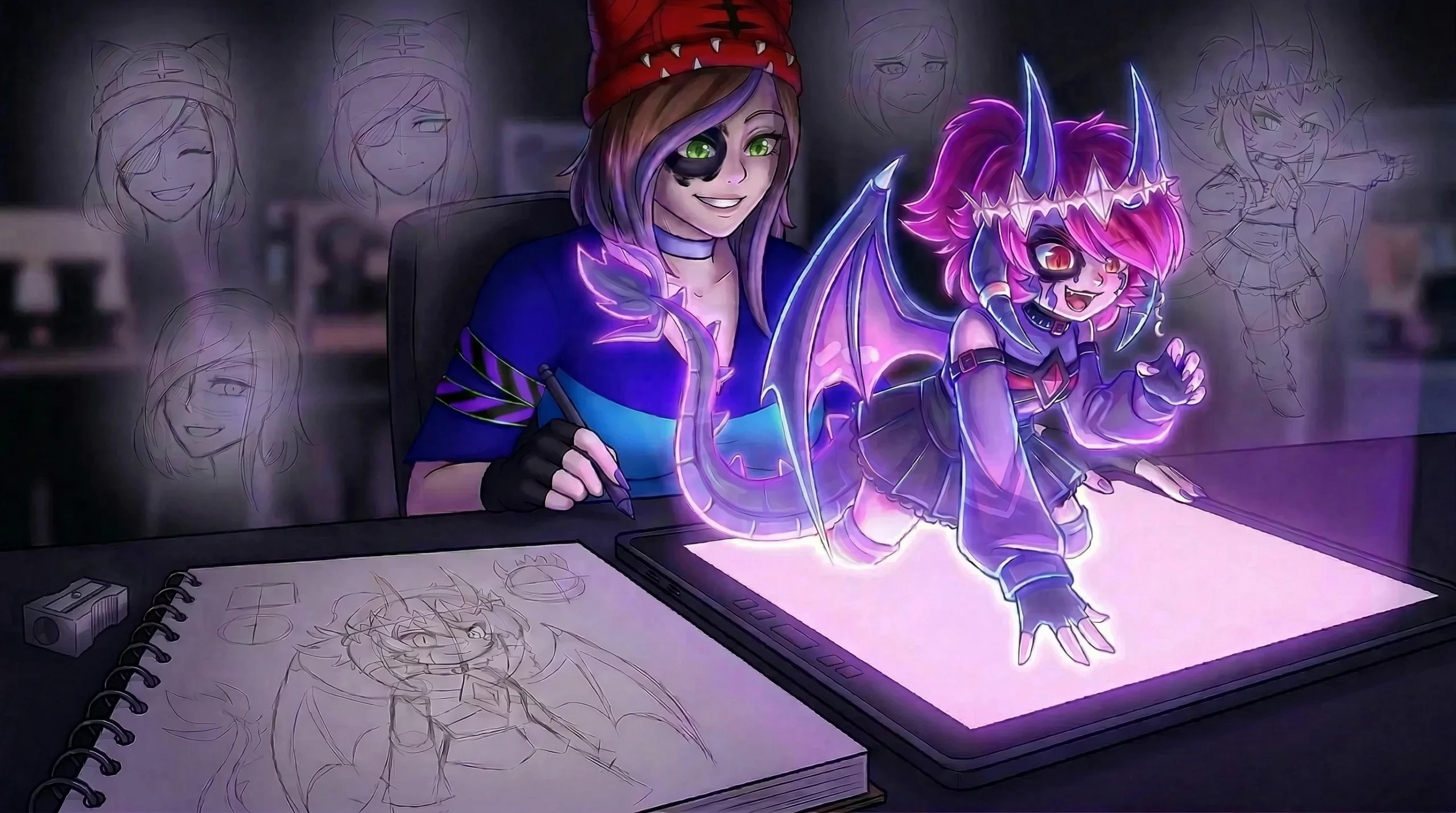
Bringing favorite characters to life is one of my biggest passions, whether I’m sketching, painting, building cosplay costumes, or writing stories that breathe fresh energy into beloved figures. The process takes more than just copying an image or recreating a voice; it’s all about capturing that special something—personality, vibe, and details that make a character unforgettable. Here, I’m sharing my techniques, tips, and insights to help you make your favorite characters leap off the page or screen in your own projects.

Colorful art studio table with drawing and painting supplies, sketchbooks open to lively character designs

Understanding Character Creation: Why It Matters

On the surface, recreating a favorite character might sound easy; just grab a screenshot and get to work. In reality, great character work pulls its strength from knowing who that character is beneath their appearance. Whether the character comes from comics, television, anime, or video games, there’s backstory and personality that can fuel every creative decision you make.

Characters that feel alive connect with people because of their quirks, flaws, and mannerisms. These are the details that set apart a quick doodle from a drawing brimming with emotion. Likewise, they transform a basic costume into a cosplay that attracts tons of compliments at a con. Creating believable, engaging characters can help you grow as an artist, cosplayer, or writer—abilities that could even lead to side gigs or an eventual career.

Big fan communities form around beloved characters, and joining in by making your own tribute is a fantastic way to bond with likeminded people. I’ve made amazing friends geeking out over the best shading techniques for a hero’s epic cape, or discussing how a magical staff should look in real life. Plus, interpreting your favorite character in your own style is just plain fun.

Building Your Foundation: Skills and Materials

Strong characters start with strong basics, whether you’re drawing, painting, crafting, or writing. I recommend getting comfortable with the foundation skills before trying advanced techniques.

  • Drawing: Study anatomy and proportions, even for cartoons. Knowing how bodies move brings authenticity—even to the most stylized designs.
  • Cosplay Crafting: Get to know essential tools like hot glue guns, sewing machines, EVA foam, and paints. Starting simple works great—cardboard costumes totally count and can be supercreative.
  • Writing: Jump into the character’s backstory, quirks, favorite sayings, and relationships. The more you check out, the more realistic your portrayal becomes.
  • Painting and Color: Practice basic color theory. Play around with color schemes and moods that fit your character’s universe.

If you’re short on supplies, don’t let that slow you down. Printer paper and pencils are enough to kick off. As you get further along, explore digital tools (like drawing tablets or 3D modeling apps) to broaden your horizons.

Techniques to Capture Character Personality

Putting personality and energy into your creative work is about more than technical skill; it’s about picking up on what makes each character unique. Here’s how I work on injecting life, no matter the medium:

  • Facial Expressions: Practice a spectrum of expressions for your character. Silly grins, worried frowns, or determined squints add tons of life. Even small tweaks to the eyes or mouth can totally shift the vibe.
  • Dynamic Poses: Don’t settle for basic stances. Show your character mid-lunge, deep in laughter, or lost in thought. Quick gesture sketches capture movement and energy fast.
  • Signature Details: Focus on what sets the character apart—maybe wild hair, funky jewelry, an iconic cloak, or a prized weapon. These touches make your version instantly recognizable.
  • Vocal Patterns (For Performers and Writers): How does your character talk? Do they favor slang, long-winded monologues, or quick, clipped phrases? Trying out their voice out loud or in your mind helps nail dialogue or voice-acting.

Step-by-Step Guide: Bringing Characters to Life

Breaking things into smaller steps makes character creation less intimidating. Here’s my typical process when drawing, crafting, or writing a beloved character:

  1. Research Reference Images or Clips: Gather photos, screenshots, or video clips that show your character in various poses and moods. Save them in one place for easy use.
  2. Doodle or List Personality Notes: Spend a few minutes sketching faces or writing down traits like loyal, goofy, or mysterious. This sets a clear creative target.
  3. Sketch or Build Basic Shapes: For drawings or sculpts, outline with simple forms before detailing. Getting proportions right early can save major headaches later.
  4. Add Details and Features: Now’s your chance to paint in costume wrinkles, color specifics, scars, gadgets, or epic accessories. Writers can show off traits through dialogue, memories, or particular habits.
  5. Check for Consistency: Compare your work against references and ask if it feels like the true character. Taking a break before reviewing can help spot issues with fresh eyes.
  6. Polish and Share: Add those finishing touches: highlights, shadows, or a themed background. Cosplayers can put on their creation and check movement. Feedback from friends or online groups can provide awesome motivation and direction.

Common Challenges and How to Tackle Them

Everyone hits stumbling blocks when recreating iconic characters. Here’s how I tackle some of the big ones:

  • Staying True to the Source: Fan-favorites sometimes have over-the-top costumes or impossible proportions. Stick to the essentials: recognizable shapes, colors, and silhouette. Simplifying complicated parts makes the project manageable and still keeps the essence.
  • Writer’s or Artist’s Block: Creative dry spells happen to everyone. Do a quick warm-up, switch to sketching another character, or step away briefly. New inspiration will follow.
  • Material Limitations: Budget problems? I’ve made outfits from thrifted clothing, repurposed household stuff, or relied on craft swaps to collect needed supplies.
  • Feedback Nerves: Posting work online for the first time can be daunting. Start by sharing with a friend, or in welcoming fan spaces before going bigger. The positivity of the community often helps build confidence.

Expressing Movement and Dynamism

Characters frozen in stiff poses feel flat. To add dynamic movement, study video clips, and try acting out poses yourself, snapping reference photos with your phone. In artwork, use flowing pencil lines to show motion. For costuming, lightweight materials and clever construction help keep parts from getting rigid or awkward.

Translating 2D Designs To 3D (Cosplay and Modeling)

Shifting a flat image to a wearable or sculpted realworld version requires breaking the design into simple pieces—cylinders, boxes, and spheres if needed—and building up. Don’t be scared to modify minor details for comfort and practicality. Feeling good in costume is key to showing off your creation with confidence.

Going Further: Advanced Tips For Next-Level Characters

Got the basics down and eager for more challenge? Here are smart ways to set your character work apart:

Mix Styles for Unique Flair: Instead of exact copies, try blending parts of different influences or putting your own twist on classic designs. Mashups (think: pirate superhero or futuristic warrior princess) make for unique conversation starters at any fan gathering.

Mastering Light and Shadow: Good lighting can give your characters drama and depth. Play with bright contrasts or moody shadows—whether painting, editing cosplay photos, or describing a tense moment in a story.

Try New Materials and Techniques: Go for new effects by mixing fabric textures, upcycling odd objects for props, or using digital tricks for wild, mixedmedia visuals. Each experiment can lead to unexpected, nextlevel cool results.

Team Up With Others: Join up with friends for group cosplay, fan film shoots, or collaborative art projects. Working together is fun, and combining skills opens creative doors you couldn’t imagine solo.

Real-World Applications: How Character Work Pays Off

All the effort you put into capturing characters really pays off. Cosplayers often develop public speaking and improv skills. Artists fill their portfolios and snag commissions. Writers improve scene building, dialogue skills, and might even snag publishing opportunities one day. Plus, sharing your passion brings in likeminded folks you might never meet otherwise.

  • Fan Art and Social Media: Posting finished character art can help you connect with other fans, get noticed for freelance gigs, or just gather support for your love of the fandom.
  • Cosplay Events and Meetups: Wearing your creation at gatherings is a great way to shine, network, and make new friends who share your passions.
  • Original Projects and Zines: Channel favorite characters into comics, short stories, or mini art books. These can be shared, sold, or even printed for conventions.

Frequently Asked Questions

People starting out usually ask these common questions about bringing characters to life:

Question: I’m new to drawing or cosplay. Where should I start?
Answer: Begin with simple characters or costumes. Focus on nailing key features and personality. Use whatever materials you already have, and practice as you go.


Question: How can I make sure my character is recognizable?
Answer: Spotlight the unique aspects—hair, color palettes, accessories, signature poses, or classic facial expressions. Use references and keep an eye out for standout details.


Question: I want to try digital art or 3D modeling. Any suggestions?
Answer: For digital art, apps like Procreate and Krita are easy to learn. For 3D work, Blender is free and packed with community tutorials for beginners.


Start Bringing Characters to Life Today

No matter your skill level, bringing favorite characters to life is deeply rewarding and a fantastic way to pick up new skills. Whether you’re drawing, crafting, or just dreaming up new adventures, the only real limit is your imagination. Jump in, experiment with different approaches, and share your creations proudly—you never know who you’ll inspire next.

Share:

Leave a Reply

Your email address will not be published. Required fields are marked *